


How to treat 200 degrees of astigmatism

Under normal circumstances, the main treatment methods for 200-degree astigmatism include wearing eyeglasses, fitting orthokeratology lenses, wearing soft contact lenses, laser surgery, and daily eye care. A detailed analysis is as follows:
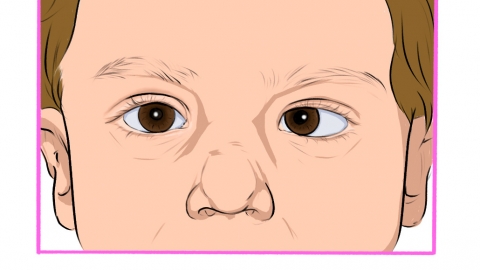
1. Wearing Eyeglasses
Eyeglasses are the most basic and safe method to correct astigmatism. Specially designed cylindrical lenses compensate for differences in refractive power of the eye, allowing parallel light rays to focus accurately on the retina. Since 200-degree astigmatism can already affect normal vision, a professional eye examination is required to determine the axis and degree of astigmatism. Properly prescribed glasses enable clear imaging and relieve eye strain. This method is suitable for people of all ages, especially children and adolescents.
2. Fitting Orthokeratology Lenses
Orthokeratology (ortho-k) lenses are rigid gas-permeable contact lenses worn overnight. During sleep, they gently reshape the cornea by modifying its anterior surface curvature, temporarily correcting astigmatism. This allows clear vision during the day without wearing any lenses. Additionally, ortho-k can help slow the progression of astigmatism in adolescents. These lenses must be fitted at professional medical institutions to ensure safety and proper use.
3. Wearing Soft Contact Lenses
This option is suitable for adult patients with astigmatism. Special toric soft contact lenses are available, designed to remain stably positioned on the eye to match the specific astigmatic axis. These lenses provide a wide field of vision and do not interfere with physical activities or appearance. However, strict hygiene practices—including regular cleaning, proper maintenance, and timely replacement—are essential to prevent eye infections.
4. Laser Surgery
Laser surgery is suitable for patients aged 18 years or older with stable astigmatism. Common procedures include SMILE (small incision lenticule extraction) and LASIK (laser-assisted in situ keratomileusis). These techniques use precise laser ablation to reshape the cornea and correct its refractive state, effectively eliminating astigmatism. After surgery, patients typically no longer depend on glasses, with relatively quick visual recovery. A comprehensive preoperative eye evaluation is necessary to assess suitability.
5. Daily Eye Care
Daily eye habits significantly influence astigmatism management. Avoid prolonged close-up screen time on phones or computers; take breaks every 30 minutes by looking into the distance. Maintain proper reading and writing posture, keeping eyes approximately 33 cm from books or screens. Ensure adequate lighting and avoid using digital devices in dim environments. Eat a balanced diet rich in lutein-containing foods to support eye health.
In addition, regular vision check-ups are essential—every six months for children and adolescents, and annually for adults—to monitor changes in astigmatism. Treatment plans should be individualized based on age, visual demands, and ocular conditions. Always follow medical advice for proper correction to prevent worsening eye strain or increased astigmatism due to improper management.


