


Why have I been so irritable and in a bad mood lately?

Recently experiencing unusually irritability and persistent low mood may be caused by lack of sleep, hormonal fluctuations, anxiety disorder, hyperthyroidism, or menopausal syndrome. These symptoms can be improved through catching up on sleep, emotional regulation, and medication. If symptoms persist or significantly affect daily life, prompt medical consultation is recommended.
1. Sleep deprivation: Chronic late nights and poor sleep quality prevent the brain's nervous system from fully resting, reducing emotional regulation capacity and leading to irritability, anger, and low mood. It is recommended to maintain a regular sleep schedule, ensure 7–8 hours of sleep each night, and avoid behaviors that disrupt sleep, such as using mobile phones or staying up late before bedtime.
2. Hormonal fluctuations: Hormonal changes during menstruation or pregnancy in women, or abnormal cortisol secretion due to stress, can affect the brain's emotional centers, causing irritability and low mood. Moderate exercise, listening to music, talking with others to relieve stress, and maintaining a balanced diet to stabilize hormone levels are recommended.
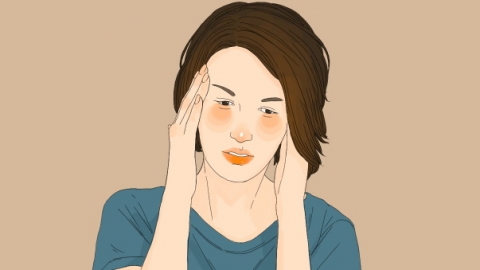
3. Anxiety disorder: Prolonged mental tension and accumulated stress can lead to uncontrolled anxiety, manifesting as irritability, restlessness, accompanied by palpitations, insomnia, and difficulty concentrating. Patients may take medications such as sertraline tablets, paroxetine tablets, or buspirone tablets under medical guidance to alleviate symptoms.
4. Hyperthyroidism: Excessive secretion of thyroid hormones accelerates metabolism and overstimulates the nervous system, resulting in irritability, significant mood swings, palpitations, excessive sweating, and weight loss. It is recommended to take medications such as methimazole tablets, propylthiouracil tablets, or propranolol tablets under a doctor’s supervision to relieve discomfort.
5. Menopausal syndrome: Declining ovarian function and reduced estrogen levels in women disrupt emotional regulation, leading to irritability, anxiety, and anger, along with hot flashes, insomnia, and menstrual irregularities. Patients may follow medical advice to use medications such as estradiol valerate tablets, nylestriol tablets, or oryzanol tablets to improve symptoms.
Maintain sufficient sleep and avoid staying up late; eat a light, nutritionally balanced diet; engage moderately in activities such as walking or jogging; communicate and share feelings with family and friends; and cultivate hobbies to divert attention and stabilize emotions.


