


What should I do if I often feel depressed?
Nov 20, 2025
Source: Cainiu Health

Dr. Zhang Baohua
Introduction
In general, frequent depression may be caused by imbalances in neurotransmitters, chronic irregular sleep patterns, adjustment disorders, anxiety with depressive mood, or major depressive disorder. It is recommended to seek medical attention promptly, identify the underlying cause, and then improve symptoms under a doctor's guidance through general management, medication, and other treatments. In daily life, avoid excessive alcohol and caffeine intake, and maintain a diet rich in fresh fruits and vegetables to ensure adequate vitamin intake.
Generally, frequent depression may be caused by factors such as neurotransmitter imbalances, long-term irregular sleep patterns, adjustment disorders, anxiety with depressive mood, or major depressive disorder. It is recommended to seek medical attention promptly, identify the underlying cause, and then improve symptoms under a doctor's guidance through general interventions, medication, and other treatments. Specific causes are analyzed as follows:
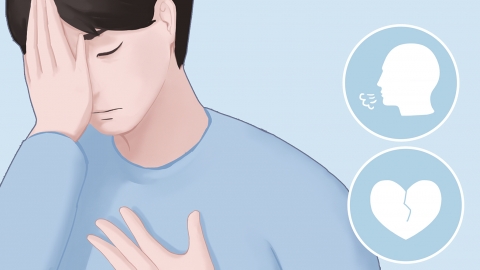
1. Neurotransmitter Imbalance: Insufficient secretion of serotonin and dopamine disrupts emotional regulation mechanisms, making individuals prone to depressive states. Increase intake of tryptophan-rich foods such as bananas and nuts in daily diet, and engage in 30 minutes of brisk walking each day to promote neurotransmitter synthesis and improve emotional well-being.
2. Long-Term Sleep Disruption: Staying up late or irregular sleep-wake cycles disrupt endocrine rhythms and impair emotional stability, potentially triggering depression. Maintain a consistent bedtime before 11 PM every night, avoid electronic devices one hour before sleeping, and adopt relaxation techniques such as foot soaking or listening to soft music to ensure 7–8 hours of regular, quality sleep.
3. Adjustment Disorder: Persistent depression may arise when individuals face life changes such as job transitions or interpersonal conflicts and fail to adapt psychologically. Patients should follow medical advice to use medications such as lorazepam tablets, alprazolam tablets, or estazolam tablets, while also receiving supportive psychotherapy to process emotions.
4. Anxiety Disorder with Depressive Mood: Prolonged anxiety can lead to low mood, with both conditions interacting and manifesting as reduced interest and fatigue. Under medical supervision, medications such as sertraline tablets, paroxetine tablets, or fluvoxamine tablets may be used, combined with cognitive behavioral therapy to correct negative thought patterns.
5. Major Depressive Disorder: Characterized primarily by persistent low mood, often accompanied by self-blame, feelings of guilt, and sleep disturbances, significantly affecting daily functioning. Treatment requires prescription medications such as fluoxetine hydrochloride capsules, venlafaxine extended-release tablets, or mirtazapine tablets. Family members should provide strong emotional support and encourage participation in social activities.
In daily life, avoid excessive alcohol and caffeine consumption, and maintain a balanced diet rich in fresh fruits and vegetables to ensure adequate vitamin intake. Actively communicate feelings with family and friends to prevent emotional suppression. Cultivate hobbies such as painting or gardening to redirect attention and gradually alleviate depressive symptoms through comprehensive lifestyle adjustments.






