


Why do I have nightmares when sleeping, and what should I do about it?
Nov 20, 2025
Source: Cainiu Health

Dr. Zhang Baohua
Introduction
In general, nightmares during sleep may be caused by excessive stimulation before bedtime, poor sleep environment, acute stress disorder, anxiety, depression, or other reasons. It is recommended to seek medical attention promptly, identify the underlying cause, and then improve symptoms through general measures, medication, or other treatments under a doctor's guidance. In daily life, avoid consuming spicy and greasy foods before bedtime and reduce alcohol intake.
Generally, having nightmares during sleep may be caused by excessive pre-sleep stimulation, poor sleep environment, acute stress disorder, anxiety, depression, or other reasons. It is recommended to seek medical attention promptly, identify the underlying cause, and improve symptoms through general treatments, medications, or other methods under a doctor's guidance. Specific analyses are as follows:
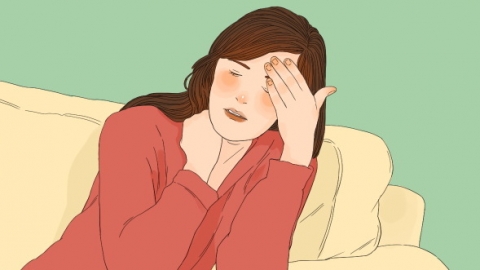
1. Excessive pre-sleep stimulation: Watching horror movies or drinking coffee before bedtime can keep the brain nerves continuously excited, making nightmares more likely during sleep. Avoid electronic devices one hour before bedtime, refrain from exposure to frightening content, drink warm milk, or listen to soothing music to help the brain gradually enter a relaxed state.
2. Poor sleep environment: Loud bedroom noise, overly bright lighting, or sleeping postures that compress the chest can disrupt sleep rhythms and trigger nightmares. Maintain a quiet and dark bedroom, wear loose sleepwear, adopt a right-side sleeping position, avoid placing hands on the chest, and create a comfortable sleep environment.
3. Acute stress disorder: Psychological trauma following an unexpected event has not resolved, leading to frequent nightmares reenacting the traumatic scenes. Patients should take medications such as lorazepam tablets, alprazolam tablets, or estazolam tablets as prescribed, and receive psychological interventions for post-traumatic stress disorder to relieve mental stress.
4. Anxiety disorder: Chronic anxiety causes subconscious stress to manifest during sleep, resulting in recurring nightmares. Medications such as sertraline tablets, paroxetine tablets, or fluvoxamine tablets should be used under medical supervision, combined with progressive muscle relaxation training to reduce anxiety.
5. Depression: Low mood accompanied by sleep disturbances often leads to nightmares with negative or despairing themes. Follow medical advice to use medications such as fluoxetine hydrochloride capsules, venlafaxine extended-release tablets, or mirtazapine tablets. Family members should provide companionship and emotional support to help manage negative feelings.
In daily life, avoid eating spicy or greasy foods before bedtime and reduce alcohol consumption. Engage in moderate daytime exercises such as jogging or yoga to release psychological stress. If awakened by a nightmare, turn on the light and sit quietly for a moment or drink a glass of warm water; wait until emotions stabilize before returning to sleep, gradually improving sleep quality.



