


Can patients with schizophrenia eat reed rhizome porridge?

Generally, patients with schizophrenia can consume moderate amounts of reed rhizome (mao gen) if they have no known allergy to it and normal gastrointestinal function; however, those with a history of allergies or specific underlying medical conditions should avoid it. If in doubt, it is recommended to consult a healthcare provider beforehand. Detailed analysis is as follows:
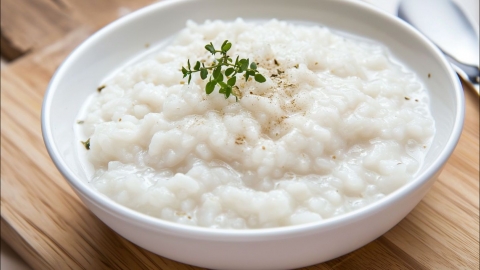
If a patient with schizophrenia does not have an allergic reaction to reed rhizome, has normal daily gastrointestinal function, and does not suffer from obvious spleen and stomach deficiency-cold (such as frequent diarrhea, cold intolerance), consuming a moderate amount of reed rhizome porridge (e.g., cooked with rice) can help replenish fluids and energy. The heat-clearing effect of reed rhizome generally will not adversely affect the condition or medication, making it safe for regular consumption.
However, if the patient is allergic to components of reed rhizome, symptoms such as rash or itching may occur after consumption. Additionally, individuals with pre-existing spleen-stomach deficiency-cold may experience worsened diarrhea or abdominal pain due to the cooling nature of reed rhizome. Patients taking specific antipsychotic medications with dietary restrictions advised by their doctor should also avoid reed rhizome porridge to prevent discomfort or interference with treatment.
Before consuming reed rhizome porridge, patients with schizophrenia should confirm whether they are allergic to it. First-time consumers should start with a small amount and discontinue immediately if any adverse reactions occur. Any dietary concerns should be promptly discussed with a physician to ensure food safety.


