


How to relieve leg weakness and fatigue caused by anxiety disorder

Anxiety-induced leg weakness and fatigue are generally caused by factors such as hyperventilation, chronic anxiety, anxious states, generalized anxiety disorder, or neurasthenia. It is recommended to seek medical attention promptly, identify the underlying cause, and improve symptoms under a doctor's guidance through non-pharmacological and pharmacological treatments. Specific analyses are as follows:
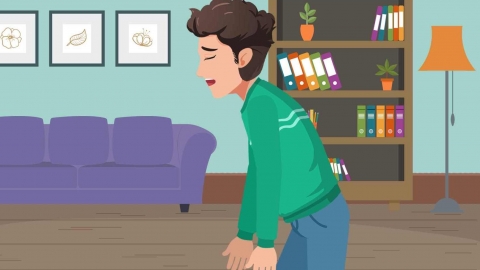
1. Hyperventilation: During anxiety attacks, rapid breathing leads to excessive expulsion of carbon dioxide, causing respiratory alkalosis, which results in insufficient oxygen supply to the brain and muscles, manifesting as leg weakness. Adjust breathing rhythm slowly—inhale deeply through the nose for 4 seconds, then exhale slowly through the mouth for 6 seconds. When necessary, breathing into a paper bag can help maintain the body’s acid-base balance.
2. Chronic Anxiety: Persistent anxiety keeps leg muscles in a prolonged state of tension, leading to muscle fatigue and feelings of weakness. Daily leg stretching exercises combined with soaking feet in warm water for 15 minutes can promote blood circulation in the legs and relieve muscle tension. Massage may also help relax leg muscles.
3. Anxious State: When anxiety is evident but does not meet diagnostic criteria for a disorder, autonomic nervous system dysfunction may lead to leg weakness. Patients should follow medical advice to use medications such as lorazepam tablets, alprazolam tablets, or estazolam tablets, along with relaxation techniques like meditation or progressive muscle relaxation to regulate emotions.
4. Generalized Anxiety Disorder (GAD): Characterized by persistent anxiety, this condition involves significant autonomic nervous system dysregulation, frequently resulting in leg weakness. Under medical supervision, selective serotonin reuptake inhibitors (SSRIs) such as paroxetine tablets, sertraline tablets, or fluvoxamine tablets may be prescribed, along with cognitive behavioral therapy to correct maladaptive thought patterns.
5. Neurasthenia: Prolonged anxiety may lead to initial overexcitation followed by exhaustion of nervous function, causing leg weakness and easy mental fatigue. Medications such as venlafaxine extended-release tablets, duloxetine enteric-coated tablets, or mirtazapine tablets should be used as prescribed. Maintaining regular sleep patterns, avoiding late nights, and reducing caffeine intake are also essential.
In daily life, engaging in low-intensity exercises such as walking or yoga can strengthen leg muscles. A balanced diet rich in calcium and vitamin D—such as milk and soy products—helps maintain nutritional balance and improves discomfort through comprehensive lifestyle adjustments.


