


What should people with long-term depression and insomnia do?

Generally, chronic depression and insomnia may be caused by factors such as disrupted sleep rhythms, accumulated psychological stress, depression, anxiety disorders, or hyperthyroidism. Individuals can choose appropriate methods such as lifestyle adjustments or medication based on their specific conditions. A detailed analysis is as follows:
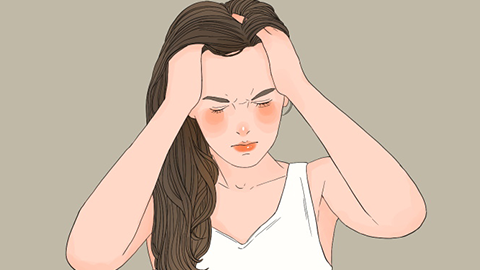
1. Disrupted Sleep Rhythm
Chronic late-night habits or irregular作息 (daily routines) disrupt the body's biological clock, leading to dysfunction of the brain’s sleep-regulating center, which may trigger depressive mood and insomnia. To improve this, maintain consistent bedtime and wake-up times every day, avoid electronic devices one hour before sleep, and create a dark, quiet sleeping environment.
2. Accumulated Psychological Stress
Prolonged mental tension keeps neurons in the brain in a state of continuous excitation, causing imbalances in serotonin secretion, which can lead to low mood and interfere with the sleep cycle. It is recommended to schedule 30 minutes daily for meditation or walking, share feelings with family or friends, and avoid thinking about complicated matters before bedtime.
3. Depression
Abnormal secretion of neurotransmitters such as dopamine and norepinephrine in the brain leads to low mood and disordered sleep architecture, manifesting as difficulty falling asleep or early morning awakening. Under medical supervision, medications such as sertraline hydrochloride tablets, escitalopram oxalate tablets, or mirtazapine tablets may be prescribed, along with psychotherapy.
4. Anxiety Disorder
Excessive anxiety causes overactivity of the autonomic nervous system, keeping the brain in a persistent state of alertness, resulting in irritability, depressive feelings, and difficulty initiating sleep. Under medical guidance, medications such as paroxetine hydrochloride tablets, lorazepam tablets, or alprazolam tablets may be used to alleviate anxiety and improve sleep quality.
5. Hyperthyroidism
Excessive secretion of thyroid hormones accelerates metabolism and increases neural excitability, leading to alternating irritability, depression, and insomnia. Under medical supervision, medications such as methimazole tablets, propylthiouracil tablets, or propranolol tablets can help regulate hormone levels and relieve symptoms.
In daily life, increase intake of whole grains and nuts rich in B vitamins to support nervous system regulation. Keep the bedroom well-ventilated, use comfortable bedding, and consider drinking a small cup of warm milk before bed to aid sleep. If emotional or sleep problems persist for more than two weeks, seek timely evaluation from a psychiatrist, psychologist, or internal medicine specialist. Do not adjust medication dosages without medical advice.


