


What to do about stress and anxiety in eighth-grade students

For second-year junior high school students experiencing stress and anxiety, improvements can generally be achieved through reasonable planning of academic tasks, proactive communication to release emotions, regular exercise to regulate mental state, cultivating hobbies to divert attention, and ensuring sufficient sleep to restore energy. The specific analysis is as follows:
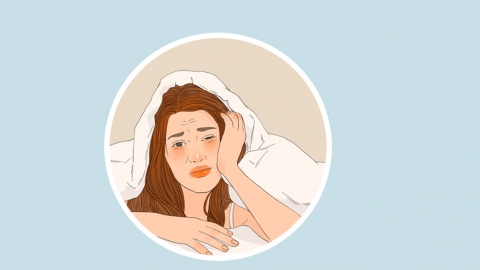
1. Plan academic tasks reasonably: Break down daily study tasks according to priority and urgency, and create clear daily or weekly schedules to avoid stress caused by task accumulation. Take appropriate breaks after completing each task and steadily advance your study progress. Avoid excessive pursuit of perfection to reduce anxiety triggered by academic difficulty.
2. Communicate proactively to release emotions: When facing pressure, actively talk with family members, teachers, or trusted friends about inner troubles and concerns. Gaining understanding and advice through communication helps relieve psychological burdens and prevents the buildup of negative emotions, enabling a more rational perspective on sources of stress.
3. Regulate mental state through regular exercise: Schedule a fixed time each day for physical activities such as running, jump rope, or ball games. Exercise promotes the body's release of dopamine, which helps alleviate anxiety, improves physical health, and addresses issues like mental fatigue and lack of concentration caused by stress.
4. Cultivate interests to shift focus: Choose suitable hobbies such as reading, drawing, playing a musical instrument, or crafting, and engage in them during spare time. Focusing on enjoyable activities allows temporary detachment from stressful environments, providing mental and physical relaxation while enriching extracurricular life and balancing study with leisure.
5. Ensure adequate sleep to restore energy: Develop consistent sleep habits and aim for 8–9 hours of sleep each night, avoiding late-night studying or phone use. Sufficient sleep allows the brain and body to fully rest, enhances learning efficiency the next day, and reduces irritability and anxiety caused by fatigue.
During the adjustment process, allow yourself emotional fluctuations and avoid excessive suppression. If stress and anxiety persistently affect your study performance or sleep quality, it is recommended to seek help from a school counselor or mental health professional accompanied by a family member, using scientific methods to manage emotions and healthily cope with challenges during growth.


