


What causes mental fatigue while walking?

Generally, feeling mentally tired while walking may be caused by insufficient physical stamina, nervous excitement due to emotional stress, neurasthenia, iron-deficiency anemia, heart failure, or other reasons. It is recommended to seek medical attention promptly, identify the underlying cause, and improve the condition under a doctor's guidance through general treatments, medications, and other methods. Specific analyses are as follows:
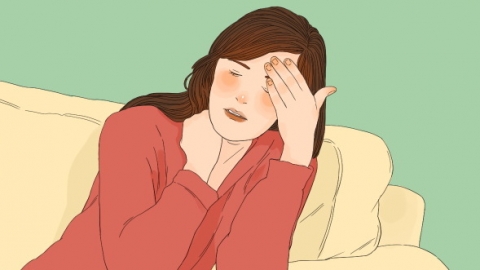
1. Insufficient physical stamina: Prolonged sedentary lifestyle with little physical activity leads to weak muscular endurance and cardiopulmonary function. When walking, the body’s workload suddenly increases, causing mental fatigue. Schedule 3–4 brisk walking sessions per week, starting at 20 minutes each and gradually increasing duration. Include protein-rich foods such as lean meat and eggs in your diet to strengthen overall physical capacity.
2. Nervous excitement due to emotional stress: During anxiety or high stress, the sympathetic nervous system becomes overactive, accelerating energy consumption and leading to mental fatigue during walking. Practice 5 minutes of deep breathing before walking to regulate emotions. Incorporate meditation and listening to music into daily routines to relieve stress, and soak feet in warm water every night to promote nervous system relaxation.
3. Neurasthenia: Long-term psychological stress can lead to neurological dysfunction, resulting in fatigue and a sensation of mental heaviness during walking. Patients should follow medical advice to take medications such as Oryzanol tablets, Vitamin B1 tablets, and Estazolam tablets. Avoid staying up late and ensure 7 hours of regular sleep each day.
4. Iron-deficiency anemia: Inadequate iron intake or excessive iron loss reduces hemoglobin's oxygen-carrying capacity, leading to tissue hypoxia during walking, which causes mental fatigue accompanied by palpitations. Follow medical guidance to take medications such as Ferrous Succinate tablets, Ferrous Fumarate capsules, and Vitamin C tablets. Increase dietary intake of iron-rich foods like animal liver and spinach.
5. Heart failure: Structural or functional abnormalities of the heart result in inadequate blood pumping, causing insufficient oxygen supply throughout the body during walking. This manifests as mental fatigue along with shortness of breath. Take prescribed medications such as Spironolactone tablets, Furosemide tablets, and Digoxin tablets as directed. Focus on mild exercises such as slow walking and tai chi, and avoid strenuous activities.
During daily walks, gradually increase distance and avoid sudden high-intensity exercise. Maintain a light, low-salt diet and consume plenty of fresh fruits and vegetables for essential vitamins. Keep emotions stable, avoid excessive anxiety, and improve the condition of mental fatigue during walking through regular作息 (sleep-wake cycles) and scientific调理 (health regulation).


