


What causes unexplained irritability and how should it be managed?

Generally, unexplained irritability may be caused by lack of sleep, hormonal fluctuations, neurasthenia, anxiety disorder, hyperthyroidism, or other reasons. It is recommended to seek medical attention promptly, identify the underlying cause, and then improve symptoms under a doctor's guidance through lifestyle adjustments, medication, and other treatments. Specific analyses are as follows:
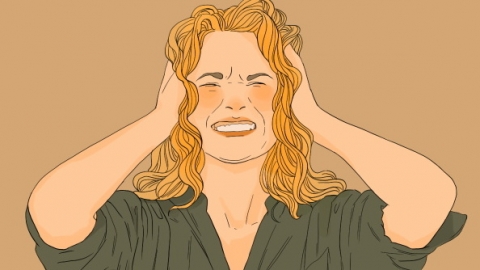
1. Sleep deprivation: Long-term staying up late or poor sleep quality prevents the brain’s nerves from getting adequate rest, which can easily lead to emotional instability and irritability. Maintain a regular sleep schedule, ensure 7–8 hours of sleep each night, avoid electronic devices one hour before bedtime, and promote better sleep with foot baths or warm milk. Avoid consuming coffee or strong tea before bed.
2. Hormonal fluctuations: During menstruation, pregnancy, or menopause in women, changes in estrogen and progesterone levels can trigger mood swings. Stay relaxed, engage in mild physical activities such as walking or yoga, and consume foods rich in vitamin B complex—such as whole grains and nuts—to help stabilize hormone levels.
3. Neurasthenia: Prolonged mental stress and excessive pressure can make the nervous system overly excitable yet easily fatigued, leading to unexplained irritability and reduced memory. Follow medical advice when using medications such as oryzanol tablets, vitamin B1 tablets, or Anshen Bunao Liquid. Plan work and rest time reasonably in daily life and avoid overexertion.
4. Anxiety disorder: Related to genetic and psychosocial factors, patients remain in a persistent state of tension and anxiety, often accompanied by unexplained irritability and palpitations. Use medications such as sertraline hydrochloride tablets, paroxetine tablets, or lorazepam tablets as prescribed, and combine treatment with psychological counseling. Learn techniques like deep breathing and meditation to manage emotions.
5. Hyperthyroidism: Excessive secretion of thyroid hormones accelerates metabolism, causing symptoms such as irritability, excessive sweating, and palpitations. Take medications such as methimazole tablets, propylthiouracil tablets, or propranolol tablets as directed by a physician to reduce hormone production.
In daily life, communicate more with family and friends, cultivate hobbies such as painting or listening to music to divert attention. Maintain a light and balanced diet, reduce intake of spicy and stimulating foods, and engage in regular physical activity to relieve stress and support emotional stability.


