


Why do I feel anxious and fearful every night?

Generally, feeling anxious and fearful at night may be caused by autonomic nervous system fluctuations, negative pre-sleep stimulation, neurasthenia, anxiety disorder, arrhythmia, or other factors. It is recommended to seek medical attention promptly, identify the underlying cause, and receive symptomatic treatment under a doctor's guidance. Specific analyses are as follows:
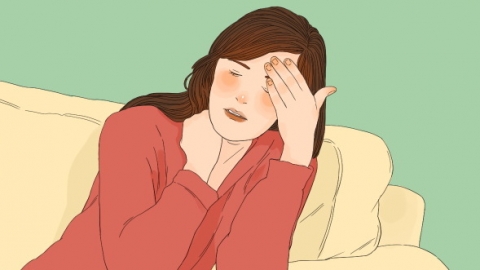
1. Autonomic Nervous System Fluctuations: During nighttime, when the body’s autonomic nervous system shifts, if the parasympathetic nervous system fails to take over smoothly and the sympathetic nervous system remains overly active, it can easily trigger feelings of palpitations and fear—especially noticeable when emotions are unstable before sleep. Maintain regular作息 (sleep-wake cycles), avoid staying up late, turn off electronic devices one hour before bedtime, and use deep breathing or listen to soothing music to regulate nervous system activity.
2. Negative Pre-Sleep Stimulation: Consuming coffee or strong tea, watching horror movies, or excessive thinking before bed can stimulate the central nervous system, leading to increased heart rate and emotional tension. Avoid stimulants for at least six hours before bedtime; instead, choose relaxing reading materials or programs, and eat a light dinner without overeating.
3. Neurasthenia: Prolonged mental stress can make the nervous system hypersensitive. In the quiet of night, negative emotions may intensify, accompanied by palpitations and insomnia. Follow medical advice in using medications such as Oryzanol tablets, Vitamin B1 tablets, or Anshen Bunao Liquid. Plan work and rest time reasonably in daily life and avoid excessive fatigue.
4. Anxiety Disorder: Patients who remain in a prolonged state of tension may experience anxiety attacks when alone at night, manifesting as palpitations, fear, and restlessness. Take prescribed medications such as Sertraline Hydrochloride tablets, Paroxetine tablets, or Lorazepam tablets, and combine with psychological counseling and relaxation techniques to alleviate emotional distress.
5. Arrhythmia: Disrupted electrical activity in the heart leads to abnormal heartbeats. Symptoms often emerge at night due to heightened vagal nerve activity, accompanied by chest tightness and dizziness. Use medications such as Metoprolol Tartrate tablets, Propafenone Hydrochloride tablets, or Wenshin Granules as directed by a physician. In severe cases, radiofrequency ablation may be performed to eliminate abnormal conduction pathways and restore normal heart rhythm.
Routine habits such as soaking feet in warm water or drinking warm milk before bed can aid sleep, and the bedroom should remain quiet and comfortable. Family members should offer companionship and attentive listening to help reduce psychological stress and ease nighttime anxiety, gradually improving symptoms.


