


Are there signs of depression after giving birth during pregnancy?

Generally speaking, whether a woman may show early signs of depression after childbirth depends on individual factors such as hormonal changes, psychological stress, family support, and other personal circumstances. A detailed analysis is as follows:
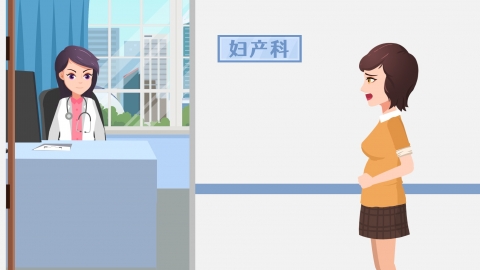
When there is a sharp drop in hormone levels, significant stress from caring for the baby, and lack of family support, a postpartum woman may exhibit early signs of depression. The rapid decline in estrogen and progesterone after delivery affects emotional regulation. Combined with frequent nighttime awakenings and difficulties in breastfeeding, this can easily lead to symptoms such as low mood, insomnia, and loss of interest in activities. Timely attention and intervention are necessary.
When hormone levels transition smoothly, the mother has good psychological resilience, and sufficient family support is available, she typically will not develop early signs of depression. Family members who actively share childcare responsibilities and help the mother adapt to her new role, along with the mother’s own efforts to relieve stress through communication and adequate rest, contribute to stable emotions and a positive adjustment to postpartum life.
Family members should proactively pay attention to the mother's emotional state and assist with childcare tasks to ensure she gets sufficient sleep. The mother can engage in light exercise and communicate with other new mothers to share experiences and relieve psychological pressure. If persistent low mood, self-blame, or similar symptoms occur, she should be accompanied promptly to seek professional psychological counseling.


