


Can men get postpartum depression?

In general, men may develop postpartum depression, with higher risks present when under significant stress or experiencing difficulty adapting. Individuals without such burdens and with stable mental health are less likely to develop the condition. If concerns arise, it is advisable to seek medical consultation early. Detailed analysis is as follows:
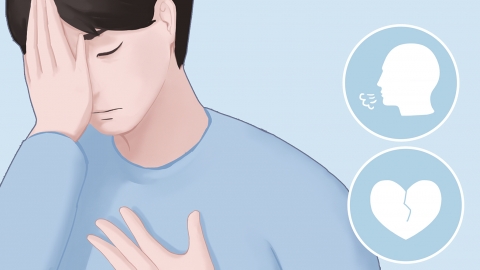
If men face multiple stressors after their partner gives birth—such as increased financial pressure, chronic sleep deprivation, greater childcare responsibilities, or inherently weak emotional regulation—they may experience symptoms like low mood, loss of interest, anxiety, and irritability. In severe cases, this can develop into postpartum depression. These situations are often associated with role transitions and accumulated stress.
Conversely, if men receive sufficient support after their partner's childbirth—for example, family assistance with childcare duties, manageable financial pressure—and are able to adapt well to the role of fatherhood, maintaining a positive mindset and emotional stability without prolonged negative emotions or behavioral changes—the likelihood of developing postpartum depression is significantly lower, allowing them to maintain good physical and psychological health.
When persistent emotional disturbances are observed in men, they should not be ignored or dismissed. Instead, individuals should be encouraged to actively seek psychological support or medical help. Postpartum depression does not discriminate by gender, and timely intervention can effectively alleviate symptoms, preventing greater impacts on personal health and family life.


