


What causes someone to slap their own face when emotionally agitated?

Slapping oneself in the face during emotional agitation may be caused by factors such as emotional stress, autonomic nervous system dysfunction, impulse control disorders, anxiety disorder, or bipolar disorder. It is recommended to seek medical attention promptly, identify the underlying cause, and receive symptomatic treatment under a doctor's guidance. Specific analyses are as follows:
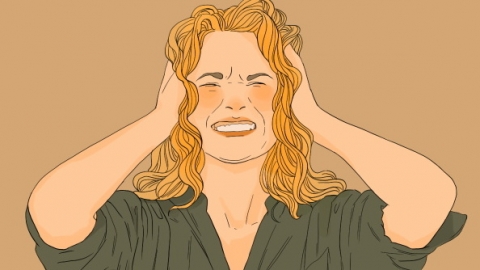
1. Emotional stress: Under intense emotional impact, individuals may attribute negative emotions to themselves and resort to self-slapping as a form of self-punishment and emotional release. Techniques such as deep breathing or temporarily removing oneself from the current situation can help calm emotions. Practicing mindfulness therapy regularly can also improve emotional regulation.
2. Autonomic nervous system dysfunction: Emotional excitement can disrupt the balance of the autonomic nervous system, causing excessive activation of the sympathetic nervous system and leading to impulsive behaviors. Maintaining a regular sleep schedule, avoiding late nights and caffeine intake, and using progressive muscle relaxation techniques during emotional episodes may help. Medications such as oryzanol tablets, vitamin B1 tablets, and mecobalamin tablets may be used under medical supervision.
3. Impulse control disorder: Individuals with this condition have difficulty controlling impulsive behaviors and may engage in self-harm when emotionally agitated. It is important to actively avoid situations that trigger strong emotions and seek psychological counseling. Medications such as sertraline tablets, fluvoxamine tablets, or clomipramine tablets may be prescribed by a doctor.
4. Anxiety disorder: When accumulated anxiety reaches a breaking point, self-harming behaviors may occur to relieve inner distress, often accompanied by symptoms such as restlessness and palpitations. Regular moderate exercise to reduce stress, combined with psychotherapy, is beneficial. Medications such as paroxetine tablets, escitalopram tablets, or lorazepam tablets may be used as directed by a physician.
5. Bipolar disorder: During manic or depressive episodes, extreme mood fluctuations can lead to impulsive self-harm, along with alternating periods of elevated and low mood, abnormal energy levels, and other symptoms. Strict adherence to medical treatment is essential. Medications such as lithium salts, sodium valproate sustained-release tablets, or olanzapine tablets may be prescribed, and efforts should be made to avoid severe emotional fluctuations.
In daily life, maintaining open communication with family and friends, expressing emotions in a timely manner, and reducing the buildup of negative feelings are helpful. Regular participation in social activities and pursuing personal hobbies can divert attention and contribute to building a comprehensive emotional regulation system.


