


What harms does mania actually cause?
Nov 21, 2025
Source: Cainiu Health

Dr. Zhang Baohua
Introduction
As a mood disorder, mania can cause various harms to physical and mental health as well as daily life, mainly including interpersonal conflicts triggered by emotional instability, increased safety risks due to impulsive behaviors, severe impairment of work and daily functioning, damage to physical health, and worsening emotional cycles and psychological burden. The adverse effects of mania are multidimensional, necessitating early recognition and intervention.
As a mood disorder, mania can bring various physical and psychological harms that affect both body and mind as well as daily life. These include emotional dysregulation leading to interpersonal conflicts, increased safety risks due to impulsive behaviors, severe impairment of work and daily functioning, damage to physical health, and worsening emotional cycles and psychological burdens. A detailed analysis is as follows:
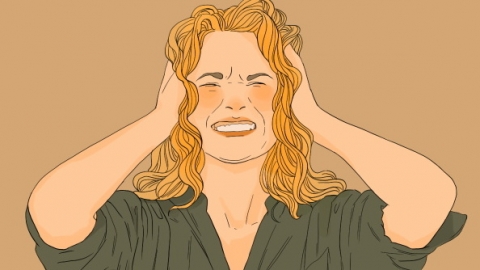
1. Emotional Dysregulation and Interpersonal Conflicts: Patients often experience extreme mood swings, becoming easily enraged over minor issues, exhibiting aggressive speech, and even engaging in physical altercations. This loss of emotional control damages trust with family and friends, leading to broken relationships, shrinking social circles, and eventual isolation and loneliness.
2. Impulsive Behaviors and Safety Risks: During episodes, impaired judgment may lead to rash decisions such as reckless spending, blind investments, or dangerous driving. Some patients may display aggression toward others or engage in self-harming behaviors, endangering their own safety, potentially breaking the law, and causing serious consequences.
3. Severe Impairment of Work and Daily Functioning: Patients often struggle to concentrate, with disorganized and racing thoughts, making it difficult to focus on tasks. This frequently results in absenteeism or job performance failure, sometimes leading to job loss. In daily life, maintaining regular routines becomes challenging, and they may fail to fulfill family responsibilities, resulting in disrupted life order.
4. Damage to Physical Health: Patients often require significantly less sleep, and chronic sleep deprivation can lead to dizziness, palpitations, and other issues. Some may develop binge eating, excessive alcohol consumption, or other unhealthy behaviors, increasing gastrointestinal strain and potentially causing abnormalities in blood sugar and blood pressure levels. Over time, this severely compromises overall physical health.
5. Worsening Emotional Cycles and Increased Psychological Burden: Manic episodes are often followed by depressive states. This recurring emotional fluctuation can cause intense feelings of helplessness. Combined with guilt over past impulsive actions, the psychological burden progressively increases, further exacerbating the condition.
The impact of mania is multidimensional and should be taken seriously and addressed early. Patients should actively cooperate with professional treatment, while families need to provide support and supervision. Through consistent treatment and lifestyle adjustments, the negative effects can be gradually reduced, enabling a return to normal life.



