


What should be noted about sleep phobia?

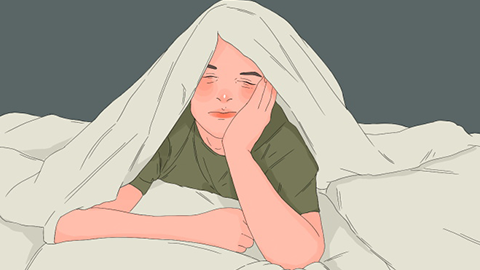
Sleep phobia is characterized by excessive fear and anxiety about sleep. Daily precautions mainly include maintaining a regular schedule, creating a comfortable sleep environment, adjusting pre-sleep routines, avoiding negative psychological suggestions, engaging in moderate exercise, and emotional regulation. Specific recommendations are as follows:
1. Maintain a regular schedule: Fix your daily bedtime and wake-up time. Even if you experience insomnia during the night, try to get up at the same time each morning and avoid long daytime naps. A consistent routine helps stabilize your biological clock, reduces anxiety at bedtime, and allows your body to gradually establish a stable sleep rhythm.
2. Create a comfortable sleep environment: The bedroom should be quiet, with soft lighting and a temperature between 22–25°C. Choose a soft, comfortable mattress and pillow. Avoid placing electronic devices such as computers or televisions in the bedroom, so that the room becomes associated solely with sleep, minimizing external disruptions.
3. Adjust your state before sleep: Avoid consuming stimulants such as coffee or strong tea one hour before bedtime. Also avoid vigorous exercise or highly stimulating recreational activities. Instead, relax your mind and body through foot baths, reading printed books, or listening to soothing music. This helps calm the nervous system and prepares you for sleep.
4. Avoid negative psychological suggestions: When anxious thoughts arise, use techniques such as deep breathing or meditation to shift your focus. Accept occasional insomnia, recognizing that short-term sleep deprivation does not cause serious harm to the body. This prevents negative thinking from spiraling into a vicious cycle.
5. Moderate exercise and emotional regulation: Engage in moderate daytime activities such as brisk walking or yoga, which can enhance metabolism and improve nighttime sleep quality. However, avoid exercising within three hours of bedtime. Regularly communicate with family and friends to relieve daily stress and negative emotions.
Improvement of sleep phobia requires long-term persistence. It's important to remain patient throughout the process and not become discouraged by slow progress. With consistent adjustments to lifestyle habits and mental well-being, most individuals can gradually alleviate their symptoms of sleep-related fear.


