


Can mental illnesses be completely cured?
Nov 21, 2025
Source: Cainiu Health

Dr. Zhang Baohua
Introduction
Whether a mental illness can be completely cured depends on the specific condition. Mild cases with timely intervention are often fully curable, while severe cases or those with delayed treatment are more difficult to eradicate, though symptoms can be managed through therapy. Early detection and early intervention are crucial in addressing mental health disorders. It is important to foster an inclusive psychological environment in daily life, encourage patients to express their feelings, and support regular sleep patterns, moderate exercise, and a healthy diet.
Whether a mental illness can be completely cured depends on the specific condition. Mild cases with timely intervention can often be fully cured, while severe cases or those with delayed treatment are more difficult to cure completely, though symptoms can be controlled through therapy. The detailed analysis is as follows:
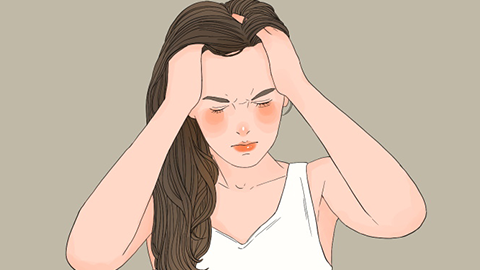
For mild mental disorders such as anxiety and mild depression, if standard interventions—such as psychological counseling combined with lifestyle adjustments—are received early in the course of the illness, most patients' symptoms can completely disappear and their social functioning can return to normal, achieving a full recovery. Maintaining good psychological health afterward can further reduce the risk of relapse.
However, severe mental illnesses such as schizophrenia and severe bipolar disorder are more difficult to cure completely due to complex causes and potential neurophysiological changes. Nevertheless, through long-term, regular medication and psychological interventions, symptoms can be effectively controlled, enabling patients to maintain basic daily living and work abilities and preventing the condition from severely impacting their lives.
Early detection and early intervention are crucial when dealing with mental illness. It's important to foster an inclusive psychological environment in daily life, encourage patients to express their feelings, maintain regular sleep patterns, engage in moderate exercise, follow a healthy diet, and consistently adhere to professional treatment to better promote comprehensive physical and mental recovery.


