


Is it possible to have maternal-infant separation anxiety 5 months after childbirth?
Nov 21, 2025
Source: Cainiu Health

Dr. Zhang Lu
Introduction
In general, by five months postpartum, if the infant has passed through the typical peak period of separation anxiety and does not exhibit persistent or worsening symptoms related to separation, significant maternal-infant separation anxiety is unlikely. However, if the infant continues to experience or shows increased separation anxiety due to individual differences, environmental changes, or psychological factors, this condition may still occur.
Generally, by five months postpartum, if the infant has passed through the typical peak period of separation anxiety and does not exhibit persistent or worsening symptoms related to separation, significant maternal-infant separation anxiety disorder is unlikely. However, if separation anxiety persists or worsens due to individual differences, environmental changes, or psychological factors, symptoms may still occur. The detailed analysis is as follows:
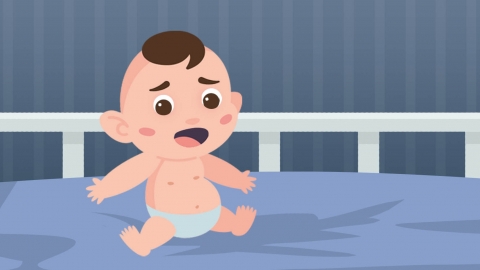
At five months postpartum, if the infant has successfully passed the peak phase of separation anxiety, and no longer exhibits intense reactions such as prolonged crying, refusal to eat or play during brief separations from the mother, can quickly adapt to temporary caregivers, and maintains normal sleep and feeding patterns, significant maternal-infant separation anxiety disorder generally will not occur. These infants gradually develop stronger adaptability to their environment and have already established a basic sense of security.
However, if an infant’s separation anxiety fails to improve with age—or even intensifies—due to factors such as a sensitive temperament, frequent changes in caregivers, or sudden changes in the family environment, maternal-infant separation anxiety disorder may still emerge. During separation, affected infants may experience prolonged and intense crying, emotional breakdowns, and even accompanying symptoms such as frequent night awakenings and decreased appetite. Persistent negative emotions can adversely affect the infant’s physical and psychological development, necessitating timely intervention.
In daily interactions with the infant, avoid sudden separations. Before leaving, gently inform the child using reassuring language and provide comfort. Gradually build the infant’s trust in familiar caregivers, and use toys, picture books, and other activities to redirect attention away from separation. Maintain a stable living environment and minimize frequent changes. If symptoms persist or worsen, seek professional guidance from a child psychologist to help the infant establish a more secure attachment.




