


Will autism get worse over time if left unaddressed?

In general, whether autism will worsen over time without intervention depends on the individual's specific condition, stage of development, and environmental factors, among others. If there are concerns or observed changes in symptoms, it is recommended to seek professional assessment and intervention promptly. The detailed analysis is as follows:
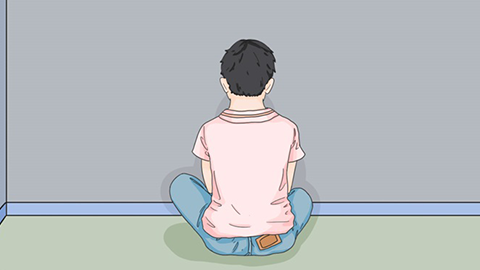
If symptoms are mild, the individual is in a critical period of early childhood development, and lives in a supportive and inclusive environment with consistent family-guided interaction, their condition may remain relatively stable even without formal intervention. Some individuals may naturally develop basic adaptive skills over time; although social communication difficulties may persist, significant functional regression is unlikely.
However, if symptoms are severe, or the individual remains in a deprived, isolated environment for prolonged periods, the condition is likely to progressively worsen without intervention. Delays in language development may become more pronounced, social impairments may intensify, and repetitive, stereotyped behaviors or emotional dysregulation may emerge or escalate. This can severely affect independent living and social adaptation in adulthood.
In daily life, caregivers should closely observe the individual’s interests and use activities such as play and picture books to encourage communication. Establishing a regular daily routine helps stabilize emotions. Providing a safe, familiar environment and avoiding sudden changes that may trigger anxiety, patiently engaging in simple interactions, and gradually teaching basic life skills can lay the foundation for the individual’s social adaptation.


