


Does suddenly breaking down in tears indicate depression?

Generally speaking, whether sudden breakdowns with intense crying indicate depression depends on specific accompanying symptoms, duration, frequency, and whether they affect social functioning. If there are related concerns, it is recommended to seek medical help promptly. The detailed analysis is as follows:
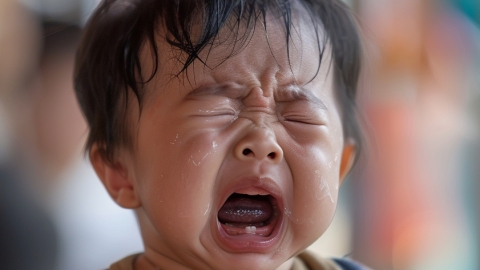
If frequent emotional breakdowns with crying occur, accompanied by persistent low mood, reduced interest, sleep or appetite disturbances, self-criticism, fatigue, or lack of energy for more than two weeks, and if these significantly interfere with daily activities such as studying, working, or interpersonal relationships, they may be related to depression. This condition is not simply emotional release, but rather reflects impaired emotional regulation, where multiple symptoms accumulate and progressively deviate from normal emotional states.
However, if the breakdowns occur only occasionally in response to specific events—such as after experiencing setbacks or short-term stress—and no other distressing symptoms are present, and if emotions quickly return to baseline once the trigger has passed without affecting normal daily functioning—then this does not constitute depression. Such episodes represent normal emotional catharsis, a natural human response to stress.
When someone experiences an emotional breakdown, offer unconditional companionship and acceptance—avoid criticism or pressuring them to "calm down." Help identify the underlying causes of the distress, and support healthy coping strategies such as talking about feelings, going for walks, or listening to soothing music to relieve stress. If such episodes recur frequently and are accompanied by other troubling symptoms, timely professional psychological support should be sought. Maintaining a regular daily routine and engaging in gentle social interactions can provide a stable environment for emotional well-being, promoting better mental and physical health regulation.


