


Does a child with psychological issues need to see a psychologist?
Nov 21, 2025
Source: Cainiu Health

Dr. Zhou Xiaofeng
Introduction
In general, whether a child's psychological issues require seeing a mental health professional should be determined based on the severity, duration, and impact on daily life. Spend more time陪伴 the child, patiently listen to their inner thoughts, avoid blaming or forcing them to change. Create a warm and supportive family environment so the child feels safe and secure.
Generally, whether a child's psychological issues require seeing a mental health professional depends on the severity, duration, and impact on daily life. Specific considerations are as follows:
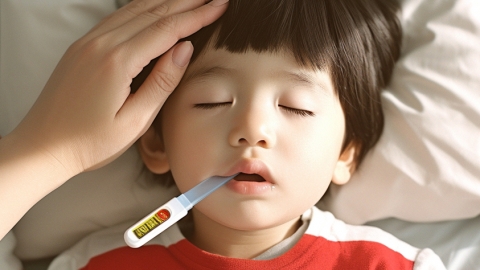
If a child shows clear signs of psychological distress lasting more than two weeks and affecting normal functioning—such as frequent crying, refusal to attend school, social withdrawal, self-harming or aggressive behaviors, along with disturbances in appetite, sleep, or severe difficulty concentrating—it is advisable to consult a mental health professional. Such conditions are unlikely to improve through parental guidance alone. Professional assessment and intervention can promptly identify underlying causes, prevent worsening symptoms, and support the child’s recovery toward healthy emotional well-being.
If the child’s difficulties are mild and short-lived—for example, occasional low mood, brief episodes of crying, or shyness in unfamiliar environments—and do not interfere with learning, social interactions, or daily activities, immediate consultation with a mental health professional may not be necessary. These situations often represent normal emotional responses during development. With family support, patient communication, and environmental adjustments, the child can gradually improve without excessive reliance on professional intervention.
Spend quality time with the child, listen patiently to their thoughts, avoid criticism or pressuring them to change. Create a warm and supportive family environment that fosters a sense of security. Encourage participation in enjoyable games and outdoor activities to shift focus and reduce psychological stress. Maintain regular routines and avoid placing excessive pressure. If the child’s condition does not improve or worsens, pay timely attention and adjust your approach accordingly.



