


Anxiety is the most common type of what reaction

Anxiety is one of the most common emotional responses, representing a natural stress reaction of the body when facing pressure, threats, or uncertain situations. Moderate anxiety has adaptive significance, while excessive anxiety may trigger psychological or physical discomfort. If anxiety persists for more than two weeks and affects daily life, it is advisable to seek medical help promptly.
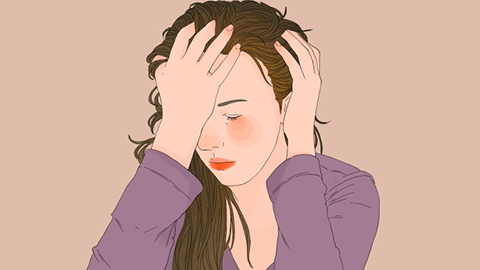
In terms of prevalence, anxiety is widely present across all age groups. Students facing academic pressure, adults managing work and family responsibilities, and elderly individuals worrying about health issues may all experience anxiety, making it one of the most fundamental human emotional experiences.
From the perspective of physiological and psychological mechanisms, anxiety results from the activation of the brain's early-warning system. It triggers psychological responses such as increased alertness and focused attention, as well as physiological changes like rapid heartbeat and muscle tension, helping individuals respond to potential risks. However, excessive activation can lead to emotional dysregulation and physical discomfort.
In daily life, people can reduce anxiety by cultivating hobbies to divert attention, communicating and sharing feelings with family and friends to relieve stress, maintaining regular exercise and a balanced diet, avoiding excessive focus on negative information, and learning to regulate emotions through mindfulness, deep breathing, and similar techniques.


