


Can budesonide and formoterol inhalation powder be used for depression?
Nov 21, 2025
Source: Cainiu Health

Dr. Ren Yi
Introduction
Patients with depression can use budesonide and formoterol inhalation powder, but must do so under the guidance of a physician. This medication has no direct contraindications with antidepressants and is primarily used to treat respiratory diseases, without affecting the condition or treatment efficacy of depression. If mood fluctuations, abnormal breathing, or other symptoms occur after use, prompt medical attention is recommended.
Patients with depression can use budesonide and formoterol inhalation powder, but must do so under the guidance of a physician. This medication does not have direct contraindications with antidepressants and is primarily used to treat respiratory diseases; it does not affect the condition or treatment efficacy of depression. If mood fluctuations, breathing abnormalities, or other symptoms occur after use, medical attention should be sought promptly.
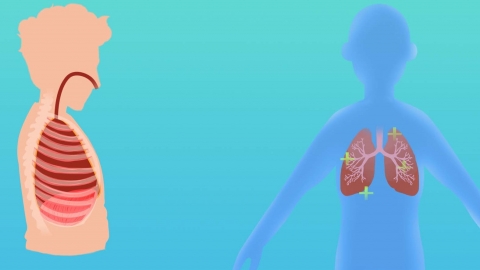
Budesonide and formoterol inhalation powder is a combination preparation containing a corticosteroid and a long-acting β2 receptor agonist. Its primary effects are anti-inflammatory action and bronchial dilation, and it is clinically used in the treatment of respiratory conditions such as asthma and chronic obstructive pulmonary disease (COPD). Its mechanism of action is unrelated to the treatment of depression.
Depressed patients who also suffer from the aforementioned respiratory diseases may use this medication after joint evaluation by psychiatrists and pulmonologists. Administered via inhalation, the drug has minimal systemic absorption and does not cause significant interactions with antidepressants such as sertraline, nor does it trigger or worsen depressive symptoms.
Dosage must be strictly followed as prescribed, avoiding self-adjustment. Rinsing the mouth promptly after administration helps reduce oral residue and maintain moisture in the airways. Patients should continue standardized treatment for depression and attend regular follow-up visits to ensure that the treatments for both conditions do not interfere with each other.


