


Is depression caused by ischemic lesions in the bilateral frontal lobes?
Nov 21, 2025
Source: Cainiu Health

Dr. Zhang Baohua
Introduction
The causes of depression are complex and often related to genetic, social, and psychological factors. Currently, there is no definitive evidence indicating that depression is directly caused by ischemic foci in the bilateral frontal lobes. However, since the bilateral frontal lobes play a key role in emotional regulation, ischemic lesions in these areas may disrupt local brain tissue function and affect neurotransmitter transmission, potentially leading to depressive symptoms such as low mood and diminished interest.
Generally, depression is not directly caused by bilateral frontal lobe ischemic foci; however, such ischemic lesions may trigger depressive symptoms. If abnormalities occur, timely medical evaluation is recommended. The detailed analysis is as follows:
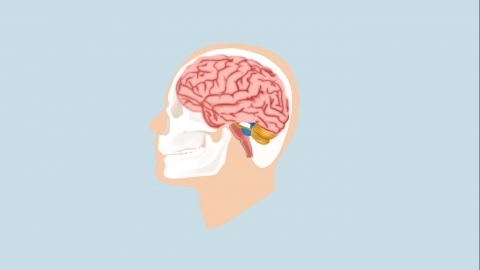
The causes of depression are complex and are mostly related to genetic, social, and psychological factors. Currently, there is no definitive evidence indicating that depression is directly caused by bilateral frontal lobe ischemic foci. However, since the bilateral frontal lobes play a key role in emotional regulation, ischemic lesions in this area may disrupt local brain tissue function and interfere with neurotransmitter transmission, potentially leading to symptoms such as low mood and reduced interest—hallmarks of depression.
In some patients, cerebrovascular disease causing bilateral frontal lobe ischemic foci may be accompanied by cognitive impairment or personality changes. These symptoms often intertwine with depressive mood, increasing the risk of misdiagnosis as uncomplicated depression. In such cases, cranial CT or MRI scans are essential to accurately identify the underlying cause and prevent missed diagnosis.
Routine monitoring of blood pressure, blood glucose, and lipid levels is important, along with smoking cessation, limiting alcohol intake, and maintaining regular sleep patterns. If persistent low mood or declining cognitive function occurs, prompt medical evaluation for possible brain abnormalities is necessary.



