


Is oxazepam withdrawal severe?

Oxazepam has a relatively strong withdrawal potential. Abrupt discontinuation after long-term or high-dose use often leads to significant withdrawal reactions, and the tapering process should be gradual—never abruptly stopping the medication. If you wish to discontinue oxazepam after prolonged use, or if symptoms suggestive of withdrawal occur, it is advisable to seek medical attention promptly for a professionally designed tapering plan.
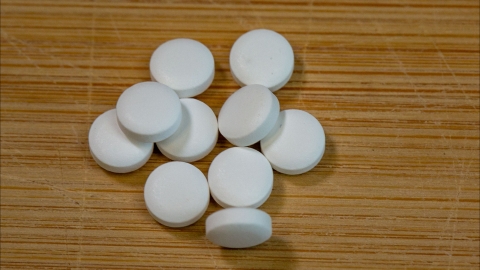
As a benzodiazepine, oxazepam may lead to physical dependence with long-term use. Sudden discontinuation causes the nervous system to rebound into overactivity due to the loss of the drug's inhibitory effects. Common withdrawal symptoms include anxiety, irritability, insomnia, headache, and tremors; in severe cases, seizures or hallucinations may occur, affecting both physical and mental health.
The severity of withdrawal symptoms is related to the duration and dosage of use. Individuals who used low doses for short periods typically experience milder symptoms, while those on long-term, high-dose regimens tend to have more intense and prolonged withdrawal reactions. Additionally, individual differences in physiology can influence withdrawal manifestations—some people may develop stronger dependence and face greater challenges during tapering.
Withdrawal should be conducted under professional supervision with a gradual dose reduction to avoid abrupt cessation. During this period, maintaining regular sleep patterns, minimizing emotional fluctuations and psychological stress, eating a light and balanced diet, and engaging in moderate, gentle exercise can help the body adapt smoothly to the decreasing drug levels.


