


Can people with depression and anxiety suppress yawning?

It is not recommended for patients with depression or anxiety to suppress yawning. Yawning is a spontaneous physiological regulatory behavior; forcibly inhibiting it may disrupt metabolism and emotional state, potentially worsening discomfort. It's important to allow the body to respond naturally. If yawning is accompanied by frequent drowsiness, chest tightness, or similar symptoms, prompt medical evaluation is advised.
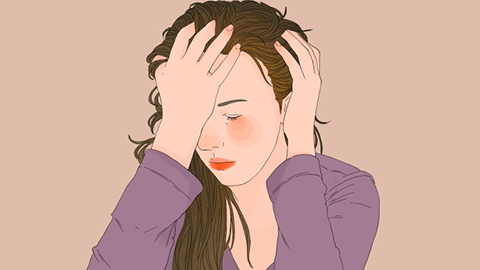
Yawning promotes deep breathing in the lungs, increases blood oxygen levels, and helps expel carbon dioxide, thereby alleviating brain fatigue and hypoxia. Patients with depression or anxiety often experience dysregulation of the nervous system, making such physiological reflexes even more essential for maintaining internal stability. Suppressing yawns can lead to insufficient oxygen supply, exacerbating symptoms like dizziness and fatigue.
From an emotional regulation perspective, forcibly suppressing natural physiological responses increases psychological stress and may trigger or worsen anxiety. Patients with depression or anxiety are already prone to distress from physical symptoms. Allowing natural responses like yawning can reduce the negative impact of bodily discomfort on mental health, helping prevent a vicious cycle between emotional and physical symptoms.
In daily life, ensure adequate sleep to improve nervous system regulation, engage in moderate outdoor walking to enhance oxygen supply, avoid excessive suppression of natural bodily reactions, and maintain emotional relaxation. Regular routines and gentle exercise can support overall physical and mental stability.


