


Can schizophrenia in a 15-year-old girl be cured?

Generally speaking, schizophrenia is a chronic and complex mental illness. Whether a 15-year-old girl can be cured after developing the condition depends on a comprehensive assessment of individual factors such as the severity of her illness, response to treatment, and social support. The specific analysis is as follows:
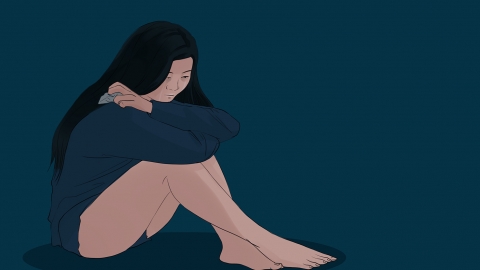
If the 15-year-old girl is experiencing her first episode, with relatively mild symptoms and no severe cognitive impairment, and if she receives timely, standardized, and systematic treatment—including adequate dosage and duration of medication along with professional psychological counseling—and if she also receives strong familial love and support as well as an accommodating learning environment at school, the prospects for recovery are promising. The adolescent brain still possesses a certain degree of plasticity; with active intervention, hallucinations, delusions, and other symptoms can often be effectively controlled, allowing gradual restoration of normal academic and social functioning. Continued consolidation therapy can reduce the risk of relapse.
However, if the girl experiences recurrent episodes or if treatment was delayed after the initial onset—leading to worsening symptoms and noticeable cognitive decline—the likelihood of full recovery decreases. Some patients may respond poorly to treatment due to low medication tolerance or insufficient family support. Even with long-term medication, only partial symptom relief may be achieved, making it difficult to fully return to their pre-illness state. These individuals may require ongoing medical intervention and family care, resulting in persistent impacts on education and daily life.
Even when symptoms are in remission, maintenance treatment for more than five years is typically required, and those who relapse may need lifelong medication. Regular monitoring of blood drug levels can help prevent metabolic syndrome.


