


How long does it take for slowed mental processing in depression to recover?

Sluggish thinking caused by depression usually improves gradually after 1–3 months of standardized treatment, with most patients showing significant improvement within six months. The recovery speed is closely related to treatment effectiveness and individual conditions. If mental sluggishness persists beyond six months or is accompanied by other cognitive impairments, prompt medical evaluation is recommended.
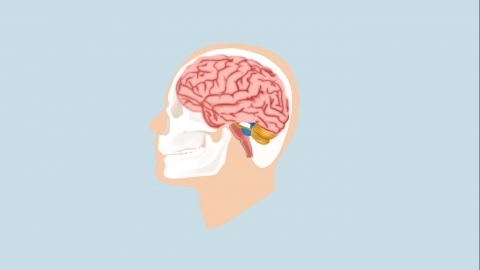
Cognitive impairments caused by depression are reversible. Once antidepressant medications take effect, neurotransmitter balance in the brain gradually restores, cerebral blood flow and oxygen supply improve, and symptoms such as slowed thinking and poor concentration progressively alleviate. This recovery process requires adherence to treatment protocols and should not be rushed.
Individual differences influence recovery duration. Patients with mild depression tend to recover faster, while those with moderate to severe depression or those experiencing chronic insomnia and anxiety may require a longer recovery period. Patients who actively engage in psychotherapy and consistently adhere to rehabilitation training typically experience significantly faster recovery.
Maintaining regular daily routines with sufficient sleep, engaging in moderate mental exercises such as reading or puzzles, consuming adequate high-quality protein and vitamins, avoiding excessive fatigue, and maintaining emotional stability all contribute to the timely restoration of cognitive function.


