


What diseases can be caused by excessive stress?

Excessive stress may lead to mental and psychological disorders, cardiovascular diseases, digestive system disorders, immune system dysfunction, endocrine and metabolic diseases, etc. Long-term chronic stress continuously damages physical and mental functions, so it is important to actively manage stress. If symptoms such as persistent insomnia, emotional instability, or physical discomfort last for more than one month, medical attention is recommended.
1. Mental and psychological disorders: Long-term stress can trigger anxiety disorders and depression, manifesting as constant tension, low mood, and reduced interest. It may also cause neurasthenia, leading to difficulty concentrating and memory decline.
2. Cardiovascular diseases: Stress causes prolonged elevation of blood pressure and increased heart rate, raising the risk of hypertension and coronary heart disease. It may also induce arrhythmias, presenting as palpitations and chest tightness, and in severe cases, even lead to myocardial infarction.
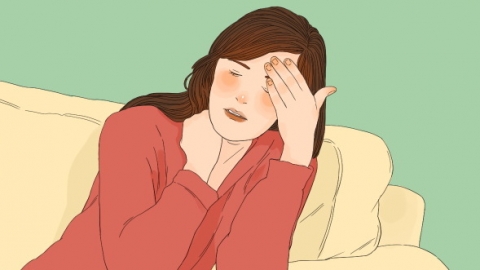
3. Digestive system diseases: Stress affects gastrointestinal motility and secretion, making individuals prone to gastritis and gastric ulcers, with symptoms such as stomach pain, acid reflux, and bloating. It may also lead to irritable bowel syndrome (IBS), characterized by alternating episodes of abdominal pain, diarrhea, and constipation.
4. Immune system diseases: Stress suppresses the activity of immune cells, reducing the body's resistance, resulting in frequent colds and infections. It may also trigger autoimmune diseases such as rheumatoid arthritis and thyroiditis.
5. Endocrine and metabolic diseases: Stress disrupts insulin secretion and glucose metabolism, increasing the risk of diabetes. It may also lead to hyperthyroidism and menstrual disorders, and in men, sexual dysfunction may occur.
In daily life, manage stress through regular exercise, ensuring adequate sleep and a light diet. Cultivate hobbies such as meditation and listening to music, communicate and share feelings with others, avoid prolonged isolation and anxiety, and proactively regulate your psychological state.


