


What should I do if I feel anxious and irritable when hearing others speak loudly?

Feeling anxious and irritable when hearing others speak loudly can be alleviated through methods such as identifying physiological factors, regulating psychological state, improving environmental adaptation, learning coping techniques, and seeking professional evaluation. These symptoms are often related to sensory sensitivity and emotional stress. If symptoms occur frequently, affect daily life, or are accompanied by chest tightness or dizziness, prompt medical consultation is recommended.
1. Identify physiological factors: Check for conditions such as anxiety disorders, neurasthenia, or underlying heart diseases. These issues may reduce sensory tolerance, making loud sounds more likely to trigger palpitations. Identifying the root cause is essential for targeted intervention.
2. Regulate psychological state: Use deep breathing and mindfulness meditation to relieve immediate anxiety. Reduce mental stress in daily life and avoid excessive tension, which can lower emotional thresholds and increase overreaction to loud noises.
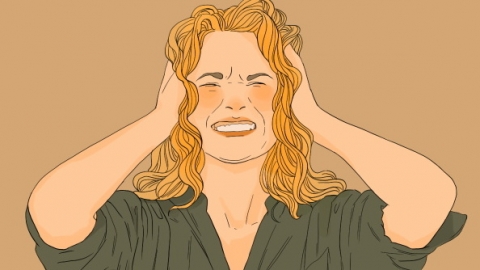
3. Improve environmental adaptation: Gradually expose yourself to moderate sound levels to progressively enhance auditory tolerance. Avoid staying in overly quiet environments for long periods, which helps reduce sensitivity to sudden loud noises.
4. Learn coping techniques: When faced with situations involving loud talking, try shifting your attention or temporarily leaving the environment to avoid prolonged exposure. Use positive self-talk to stabilize your emotions.
5. Seek professional evaluation: If symptoms persist, consult a psychiatrist or neurologist. Professional assessments using standardized scales and physiological tests can help rule out organic causes and provide personalized management strategies.
Maintain regular sleep patterns and engage in moderate physical activity to strengthen overall physical and mental resilience. Avoid excessive fatigue and late nights. When exposed to loud sounds, stay calm and use slow, controlled breathing to regulate emotions and reduce the frequency of anxiety and irritability episodes.


