


What medical condition causes sudden outbursts of anger?

Sudden outbursts of anger may be caused by factors such as sleep deprivation, hormonal fluctuations, hyperthyroidism, anxiety disorders, or manic episodes. These can be improved through adequate sleep, emotional regulation, and medication. If symptoms occur frequently or are accompanied by other discomforts, prompt medical attention is necessary.
1. Sleep deprivation: Chronic late nights or poor sleep quality can disrupt the brain's neurological regulation and reduce emotional control, making sudden anger more likely. It is recommended to maintain a regular sleep schedule, ensure sufficient rest, reduce electronic device usage before bedtime, and create a quiet, comfortable sleeping environment.
2. Hormonal fluctuations: During special periods such as menstruation or pregnancy, changes in hormone levels in women can affect neurotransmitter secretion, leading to heightened emotional sensitivity and irritability. A balanced diet, moderate exercise to relieve stress, and frequent communication with others are advised to help manage emotions.
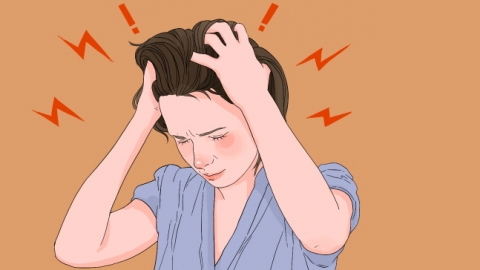
3. Hyperthyroidism: Excessive secretion of thyroid hormones accelerates metabolism and increases nervous system excitability, manifesting as irritability, restlessness, palpitations, and excessive sweating. Under medical guidance, medications such as methimazole tablets, propylthiouracil tablets, and propranolol tablets may be used to alleviate symptoms.
4. Anxiety disorder: Prolonged accumulation of psychological stress can lead to anxiety, causing abnormal emotional regulation. Minor issues may trigger sudden anger, often accompanied by feelings of tension and restlessness. Patients may use sertraline tablets, paroxetine tablets, or lorazepam tablets under medical supervision to relieve discomfort.
5. Manic episode: Dysfunction in the brain’s emotional regulation center leads to elevated mood and increased irritability, potentially resulting in sudden anger over trivial matters, along with excessive energy and talkativeness. As directed by a physician, medications such as lithium carbonate tablets, sodium valproate sustained-release tablets, or olanzapine tablets can be used to improve symptoms.
Maintain a regular routine and balanced diet, engage regularly in relaxing activities such as walking or meditation, learn techniques for self-emotional regulation, communicate openly with family and friends, and strive to maintain emotional stability for overall physical and mental well-being.


