


What should I do if my obsessive-compulsive disorder suddenly worsens in the past month?
Nov 24, 2025
Source: Cainiu Health

Dr. Zhang Baohua
Introduction
Recently, obsessive-compulsive symptoms have suddenly worsened. It is important to promptly identify potential triggers, adjust daily routines, perform psychological regulation, seek professional support, and implement standardized interventions to prevent symptoms from deteriorating and affecting daily life. If obsessive thoughts or behaviors are taking up significant time or are accompanied by anxiety or depression, prompt medical consultation is recommended. Consider whether there has been increased stress, lack of sleep, or environmental changes recently.
Obsessive-compulsive symptoms have recently worsened over the past month. It is important to promptly identify potential triggers, adjust daily routines, practice psychological regulation, seek professional support, and implement structured interventions to prevent further symptom progression that could impair daily functioning. If obsessive thoughts or behaviors consume significant time or are accompanied by anxiety or depression, prompt medical consultation is recommended.
1. Identify potential triggers: Reflect on recent changes such as increased stress, sleep deprivation, or environmental shifts. Academic or work pressure, interpersonal conflicts, or major life events may exacerbate OCD symptoms. Identifying specific triggers allows for targeted adjustments.
2. Adjust daily routines: Maintain a regular sleep schedule and avoid staying up late. Eat a balanced diet and reduce caffeine intake. Engage in moderate physical activity to relieve stress. A consistent daily rhythm helps stabilize mood and reduces the frequency of OCD episodes.
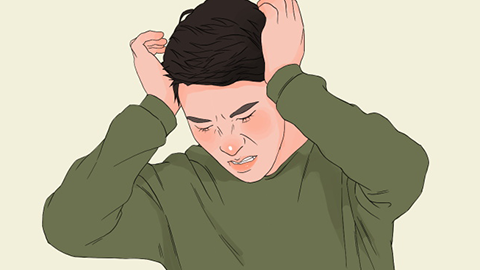
3. Practice psychological regulation: Learn techniques such as mindful breathing and progressive muscle relaxation. When obsessive thoughts arise, try redirecting attention instead of resisting them. Reducing excessive focus on symptoms can help break the cycle of compulsive behavior.
4. Seek professional support: Consult a mental health professional for cognitive behavioral therapy (CBT). Professional intervention can correct maladaptive thought patterns and teach effective strategies for managing OCD symptoms. Medication may be recommended as an adjunct treatment under medical supervision if necessary.
5. Implement structured interventions: Develop a gradual exposure plan to systematically reduce compulsive behaviors. Avoid abruptly suppressing symptoms; instead, make steady progress. Keep a symptom journal to track changes, which can provide valuable information for clinical evaluation and treatment planning.
Maintain emotional stability and minimize excessive anxiety in daily life. Engage in enjoyable activities to shift focus, communicate openly with family and friends for emotional support, avoid self-blame, and follow evidence-based approaches to gradually improve symptoms and promote recovery.



