


What causes fever accompanied by body itching?

Generally, itchy skin during fever may be caused by dry skin due to fever, skin irritation from elevated body temperature, allergic dermatitis, viral rashes, eczema, or other reasons. It is recommended to seek medical attention promptly, identify the underlying cause, and receive symptomatic treatment under a doctor's guidance. Specific analyses are as follows:
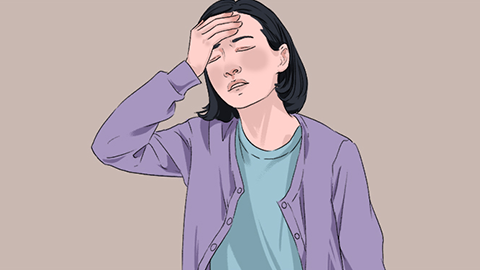
1. Skin dryness due to fever: During fever, the body loses water rapidly, leading to decreased skin hydration and weakened barrier function, which can easily trigger itching. It is advisable to drink plenty of warm water to replenish fluids and apply a gentle moisturizing lotion after bathing. No special treatment is usually required.
2. Skin irritation from elevated body temperature: Increased body temperature can heighten the sensitivity of skin nerve endings, resulting in itchiness. Physical cooling methods such as lukewarm sponge baths and reducing clothing can help. Wearing loose, breathable cotton clothing may also relieve discomfort.
3. Allergic dermatitis: Immunity may decrease during fever, making the body more susceptible to inflammation upon exposure to allergens, presenting as itchy skin and red rashes. Patients may take medications such as cetirizine hydrochloride tablets, loratadine capsules, or ebastine tablets as directed by a physician, while avoiding allergens like pollen and dust mites.
4. Viral rash: Caused by viral infections, this condition often appears as light red rashes accompanied by itching after the onset of fever, commonly seen in the early stages of diseases such as chickenpox or rubella. Patients should take antiviral medications such as acyclovir tablets, valacyclovir tablets, or famciclovir tablets as prescribed, keep the skin clean, and avoid scratching to prevent secondary infection.
5. Eczema: Triggered by genetic or environmental factors, fever may exacerbate symptoms, manifesting as skin itching, redness, and papules. Patients may use topical corticosteroids such as desonide cream, hydrocortisone butyrate cream, or mometasone furoate cream as directed by a physician, and avoid irritants such as soap and alcohol.
In daily life, maintain skin cleanliness using mild skincare products and avoid excessive washing. In terms of diet, reduce intake of spicy and irritating foods, and consume more fresh fruits and vegetables to support skin recovery.


