What are the precautions for taking cefaclor capsules?
Nov 24, 2025
Source: Cainiu Health

Dr. Wang Lei
Introduction
Precautions for using cefaclor capsules mainly include being alert for allergic reactions, strictly following medical instructions, avoiding alcohol consumption, cautious use in special populations, and avoiding adverse drug interactions. During treatment, maintain a light diet, drink plenty of warm water to promote drug metabolism, get adequate rest, avoid excessive fatigue, enhance the body's resistance, and support recovery from illness.
Precautions for taking cefaclor capsules mainly include being alert to allergic reactions, strictly following medical instructions, avoiding alcohol exposure, cautious use in special populations, and avoiding adverse drug interactions. The detailed analysis is as follows:
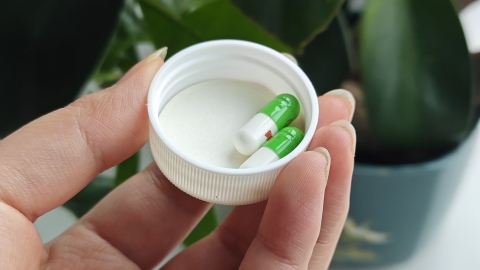
1. Be alert to allergic reactions: Cefaclor is contraindicated in individuals allergic to cephalosporins. Patients with penicillin allergy should use it cautiously due to the risk of cross-allergy between these two classes of drugs. If there is a known history of allergy, inform the doctor before taking the medication. Should symptoms such as rash, itching, or difficulty breathing occur during treatment, discontinue the drug immediately and seek medical attention promptly.
2. Strictly follow medical instructions: Take the medication exactly as prescribed by your doctor in terms of dosage and duration. Do not adjust the dose or shorten/extend the treatment course on your own. Even if symptoms improve, complete the full course of treatment to ensure all bacteria are eradicated and prevent recurrence or development of antibiotic resistance.
3. Avoid alcohol: Do not consume alcohol or any products containing alcohol (such as liqueur-filled chocolates or Huoxiang Zhengqi Water) during treatment and for at least 7 days after stopping the drug. Alcohol may interact with cefaclor and trigger a disulfiram-like reaction, causing symptoms such as facial flushing, headache, nausea, and shortness of breath. In severe cases, this reaction can be life-threatening.
4. Use with caution in special populations: Pregnant and breastfeeding women should only take the drug after physician evaluation, as it may pass through the placenta or into breast milk and affect the fetus or infant. Pediatric dosing must be adjusted according to body weight. Elderly patients and those with impaired liver or kidney function should reduce their dosage or extend the dosing interval under medical guidance to prevent drug accumulation.
5. Avoid adverse drug interactions: Inform your doctor if you are currently taking antacids, anticoagulants like warfarin, or other medications. Antacids may reduce absorption of cefaclor and diminish its effectiveness. Concurrent use with anticoagulants may increase the risk of bleeding. Do not combine with other drugs without consulting a physician or pharmacist to confirm compatibility.
During treatment, maintain a light diet, drink plenty of warm water to promote drug metabolism, get adequate rest, avoid excessive fatigue, strengthen immunity, and support recovery.