What are the symptoms of alcohol allergy?
Nov 24, 2025
Source: Cainiu Health

Dr. Liu Wenmin
Introduction
Alcohol allergy is an immune response triggered by alcohol or other components in alcoholic beverages. The onset of symptoms, which can occur anywhere from minutes to hours after exposure, depends on the amount consumed and mainly includes skin reactions, respiratory discomfort, gastrointestinal symptoms, circulatory system abnormalities, and neurological manifestations. Individuals with alcohol allergy must strictly avoid drinking alcohol and should also be cautious of foods and medications containing alcohol.
Alcohol allergy is an immune response triggered by alcohol or other components in alcoholic beverages. Symptoms typically appear within minutes to hours after exposure, depending on the amount consumed, and mainly include skin reactions, respiratory discomfort, gastrointestinal symptoms, circulatory system abnormalities, and neurological manifestations. A detailed breakdown is as follows:
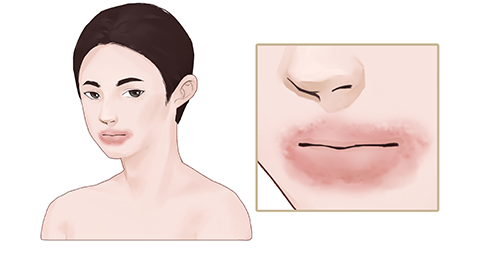
1. Skin reactions: The most common and earliest symptom, characterized by redness and itching of the skin, particularly noticeable on the face, neck, and upper chest. Some individuals may develop scattered or confluent urticaria (hives), presenting as pale red wheals that spread and merge upon scratching.
2. Respiratory discomfort: Allergic reactions irritate the respiratory mucosa. Initial symptoms include nasal congestion and runny nose, resembling a common cold. This progresses to throat itching, a sensation of a foreign body, and often a dry, irritating cough. As the condition worsens, edema of the laryngeal mucosa can occur, leading to hoarseness and difficulty breathing. Severe cases may involve wheezing, requiring immediate medical intervention.
3. Gastrointestinal symptoms: Stimulation of the gastrointestinal mucosa leads to nausea and vomiting, with vomitus typically consisting of stomach contents. Abdominal bloating, pain, and diarrhea—usually watery and variable in frequency—are also common. Some individuals may experience oral mucosal itching, tongue numbness, and significant discomfort or difficulty swallowing while eating.
4. Circulatory system abnormalities: Dysregulation of blood vessel dilation or constriction can cause rapid heartbeat, palpitations, and a subjective feeling of chest tightness. Some people may experience dizziness or visual darkening. Blood pressure may fluctuate, and in severe cases, hypotension can occur, manifesting as pallor, cold extremities, and even pre-syncope symptoms.
5. Neurological manifestations: Early signs include headache and dizziness, often presenting as bilateral throbbing pain in the temples, accompanied by general fatigue, lethargy, and difficulty concentrating. Some individuals may become restless or experience mood swings. In severe allergic reactions, confusion may occur—though rare, this is considered a dangerous sign.
Individuals with alcohol allergy should strictly avoid alcohol consumption and be cautious of foods and medications containing alcohol, such as chocolate liqueurs and Huoxiang Zhengqi Water. If mild symptoms occur after accidental exposure, drinking plenty of water may help promote metabolism and alleviate symptoms.