How should mercury poisoning be treated?
Nov 24, 2025
Source: Cainiu Health

Dr. Wang Lei
Introduction
Treatment for mercury poisoning includes removing the individual from the contaminated environment, eliminating mercury from the body, providing symptomatic and supportive care, protecting vital organs, and preventing and managing complications. Medical management should be standardized according to the type and severity of poisoning. If symptoms such as headache, nausea, gum swelling and pain, or mood disturbances occur after exposure to mercury, immediate medical attention is recommended. Immediately move away from sources of mercury.
Methods for treating mercury poisoning include removing the patient from the contaminated environment, eliminating mercury from the body, symptomatic and supportive care, protecting vital organs, and preventing and managing complications. Treatment should be standardized according to the type and severity of poisoning. If abnormal symptoms occur after exposure to mercury, immediate medical attention is recommended.
1. Removal from the contaminated environment: Immediately move away from sources of mercury. Individuals exposed via the respiratory tract should be transferred to an area with fresh air; those with skin contact should thoroughly rinse the affected area with water to prevent further absorption of mercury and worsening of poisoning.
2. Elimination of mercury from the body: For oral poisoning, medications for induced vomiting, gastric lavage, or laxatives may be administered as directed by a physician to promote the removal of unabsorbed mercury. When necessary, chelating agents can be used to chemically bind mercury in the body and form compounds that are easily excreted.
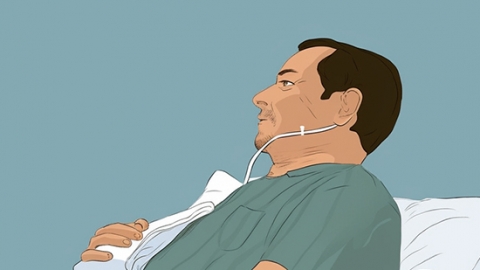
3. Symptomatic and supportive treatment: Administer antipyretic and analgesic medications for fever and headache, provide oxygen therapy for individuals experiencing breathing difficulties, maintain fluid and electrolyte balance, alleviate discomfort caused by poisoning, and create favorable conditions for bodily recovery.
4. Protection of vital organs: Use hepatoprotective and nephroprotective drugs to reduce mercury-induced damage to the liver and kidneys and prevent organ failure. Closely monitor cardiac and cerebral functions and promptly intervene if abnormalities are detected.
5. Prevention and management of complications: Prevent complications such as pulmonary infections and kidney dysfunction. Promptly administer anti-infective medications if signs of infection appear, and implement appropriate supportive treatments for organ damage complications.
During the rehabilitation period, maintain a light and easily digestible diet, increase intake of vitamin-rich foods, follow a regular作息 routine to avoid fatigue, stay away from mercury-containing environments and items, and undergo regular follow-up examinations of relevant indicators to promote full recovery.