


What are the care measures for electrical injury?

After an electrical injury, proper care methods include wound cleaning and nursing, infection prevention, local tissue repair, functional rehabilitation training, and overall body conditioning. Scientific care can promote wound healing and functional recovery. If symptoms such as confusion, chest tightness, severe wound charring, or limb numbness occur after an electric shock, immediate medical attention is recommended.
1. Wound Cleaning and Care: Rinse the wound with normal saline to remove contaminants. Avoid vigorous rubbing. Keep superficial wounds dry, and for deeper wounds, change dressings according to medical instructions to prevent residual debris from impairing healing.
2. Infection Prevention: Maintain cleanliness and ventilation around the wound area. Avoid contact with water and contaminants. Use anti-infective medications as prescribed. Monitor the wound for signs of infection such as redness, swelling, or pus discharge, and address any abnormalities promptly.
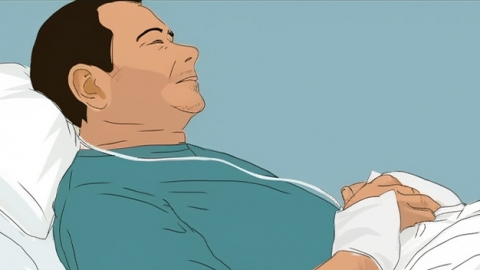
3. Local Tissue Repair: For skin damage caused by electric shock, apply ointments that promote wound healing and avoid scratching the wound. In cases involving muscle or nerve damage, perform local massage as needed to improve blood circulation.
4. Functional Rehabilitation Training: Begin gradual limb movement exercises once the condition stabilizes. Start with gentle flexion and extension movements, avoiding excessive force, to restore limb function and reduce the risk of muscle atrophy or joint stiffness.
5. Overall Body Conditioning: Ensure adequate sleep and a balanced diet rich in protein and vitamins to enhance the body’s healing capacity. Avoid fatigue and emotional fluctuations to support comprehensive recovery.
In daily life, avoid friction or pressure on the wound, maintain a clean living environment, strictly follow the prescribed rehabilitation schedule without accelerating progress independently, and pay attention to electrical safety to prevent future electric shock incidents.


