


What should I do for gas burn injuries on both cheeks and arms?

Facial and arm burns caused by gas flames require immediate actions such as leaving the hazardous environment, cooling the area with cold water, cleaning and protecting the wound, avoiding improper treatments, and promptly assessing the injury. Quick and proper management can help prevent worsening of the damage. If the burn covers a large area, is deep, or involves the face or sensory organs, seek medical attention immediately.
1. Leave the dangerous environment: Quickly move away from the source of the gas leak and transfer to a well-ventilated area to avoid secondary burns or carbon monoxide poisoning. Close the gas valve to prevent further hazards.
2. Cool with cold water: Rinse the burned area with clean, cool running water for 15–30 minutes to lower skin temperature and reduce thermal damage to deeper tissues. When rinsing the face, take care to avoid getting water into the eyes.
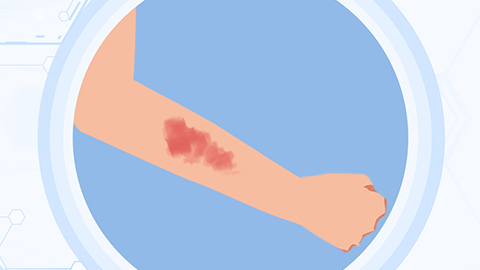
3. Clean and protect the wound: Gently remove any debris remaining on the wound. Cover it lightly with clean sterile gauze or plastic wrap to reduce the risk of bacterial infection. Avoid rubbing or applying pressure to the injured area.
4. Avoid improper treatment: Do not puncture blisters yourself, apply toothpaste, soy sauce, or other foreign substances, or cover the wound with woolly clothing. These actions may lead to infection, worsen tissue damage, or interfere with medical evaluation.
5. Assess the injury promptly: Observe whether the burned area shows redness, swelling, blistering, broken skin, or severe pain. If there is charring, whitening of the skin, or loss of sensation, this indicates a deep burn, and immediate medical care is required.
After a burn, keep the wound clean and dry, avoid direct sunlight, eat a light diet rich in protein and vitamins, avoid spicy or irritating foods, minimize movement of the affected area, and support healing and recovery.


