


What should I do if my knees hurt from the cold?

Knee pain caused by cold exposure can be managed through timely warming, local heat application, moderate joint movement, avoiding cold environments, and using soothing topical products. Cold temperatures can trigger blood vessel constriction, leading to discomfort; prompt intervention is necessary to minimize tissue damage. If the pain persists beyond 24 hours, or is accompanied by swelling or limited mobility, medical attention is recommended.
1. Timely warming: Immediately wear warm knee pads and thick pants to prevent further exposure of the knees to cold. Keep the knee joints in a warm environment to promote blood vessel dilation and relieve pain.
2. Local heat application: Apply a hot water bottle or warm towel at around 40°C to the knee area for 15–20 minutes per session. This helps improve local circulation and reduce muscle spasms and discomfort.
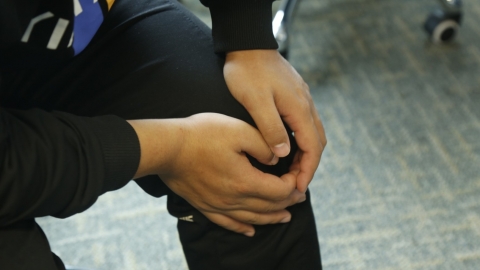
3. Moderate joint movement: Gently perform mild exercises such as knee bending and stretching, or go for a slow walk. Avoid strenuous activities. Moving the joint helps stimulate blood flow and reduces stiffness and pain caused by cold.
4. Improve environment and avoid cold: Move quickly to a warm indoor area and stay away from drafts, dampness, and cold conditions. Avoid having air conditioning or heating blow directly onto the knees to reduce ongoing cold stimulation to the joint.
5. Use soothing topical products: Apply gentle, warming topical ointments or soothing gels around the knee and massage lightly to help relieve muscle tension and pain. Avoid products with strong irritants.
To prevent future issues, maintain knee warmth in daily life. Always wear knee protectors when going out in cold weather, avoid frequent transitions between extremely cold and warm environments, and engage in moderate exercise to strengthen leg muscles, providing better support and protection for the knee joints.


