


After recently receiving a tetanus shot, is it necessary to get another injection if you're cut by iron?

Generally, whether a tetanus shot is needed after being scratched by iron shortly following a previous tetanus vaccination depends on the time elapsed since the last injection and the nature of the wound. If the last dose was administered within the past 3 months and the wound is superficial and clean, an additional shot is usually unnecessary. However, if it has been more than 5 years since the last shot, or if the wound is deep and heavily contaminated despite being within 3–5 years of the last vaccination, prompt medical evaluation is required.
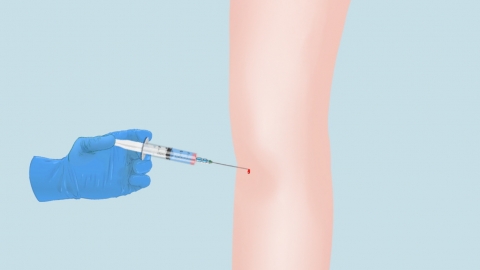
If less than 3 months have passed since the last tetanus vaccination, antibody levels in the body remain high enough to effectively prevent infection. In such cases, if the wound is merely a superficial skin scratch without significant bleeding or contamination, simply rinse thoroughly with running water, disinfect with iodine, and keep the area dry—no additional injection is needed.
If it has been over 5 years since the last vaccination, antibody levels may have significantly declined. Additionally, even if the vaccination was received within the past 3–5 years, a deep wound or one severely contaminated by a rusty metal object—especially in an oxygen-poor environment conducive to bacterial growth—requires prompt medical attention to determine whether a booster shot is necessary.
In daily care, keep the wound clean and disinfect it with iodine twice a day, avoiding contact with water and pressure on the wound. Avoid spicy and irritating foods, and consume more fruits and vegetables rich in vitamins to promote healing. Store metal tools properly and use protective measures when handling them to reduce the risk of cuts and scratches.


