


Does a second-degree burn represent a burn of the epidermis?

In general, a second-degree burn does not necessarily mean that only the epidermis is affected. Superficial second-degree burns involve the epidermis, while deep second-degree burns extend into deeper tissue layers. If there is any uncertainty, it is recommended to seek medical advice promptly. Specific details are as follows:
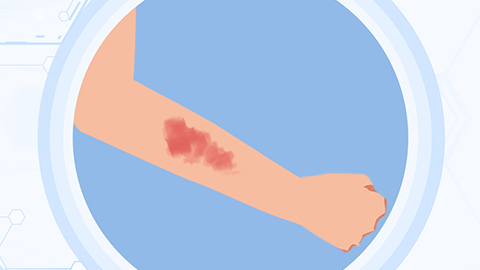
If the injury is a superficial second-degree burn, damage is mainly confined to the upper to deeper layers of the epidermis. Blisters will appear on the wound; after blister rupture or peeling, a moist, red wound surface becomes visible, with significant pain. In such cases, the burned area primarily involves the epidermis, healing is relatively quick, and obvious scarring typically does not occur.
If the injury is a deep second-degree burn, the damage extends beyond the epidermis into the deeper layers of the dermis. The blisters on the wound are smaller or flatter; after removing the blistered skin, the wound appears pale red or mottled with red and white areas. Pain is less severe than in superficial second-degree burns. In these cases, the burn is not limited to the epidermis alone. Healing takes longer, and scarring or pigmentation may remain.
After sustaining a second-degree burn, immediately rinse the affected area with cool running water to reduce temperature. Do not puncture blisters arbitrarily to avoid wound infection. Seek prompt medical attention for assessment of burn depth, and follow medical instructions for proper wound care to promote healing and minimize complications.


