


Can the nine-valent vaccine be administered a few days earlier?

Under normal circumstances, it is not recommended to receive the HPV-9 vaccine several days earlier than scheduled. Vaccination should follow the recommended intervals, and only in extremely exceptional cases may adjustments be made after consulting a doctor. If there are any concerns, it is advisable to seek medical advice in advance. Detailed analysis is as follows:
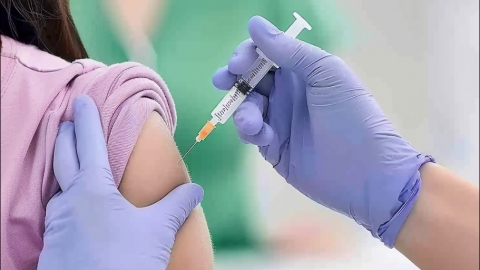
According to standard vaccination procedures, there are clearly defined recommended intervals between doses of the HPV-9 vaccine (for example, the second dose is given 2 months after the first dose, and the third dose is given 6 months after the first). Receiving a dose earlier than recommended may affect the efficiency of antibody production in the body and reduce the effectiveness of immune protection. Therefore, it is not advisable to advance vaccination dates on one's own; the standard intervals should be strictly followed.
If due to special reasons—such as long-term overseas travel or undergoing treatment for a serious illness—it is impossible to adhere to the original schedule, and the deviation from the recommended vaccination time is only 1–2 days, individuals may bring their vaccination records to consult the doctor at the vaccination site. After evaluating the individual’s health status, the doctor may decide whether an adjustment is appropriate. In such exceptional cases, decisions must be based on professional medical advice and should not be made independently.
Prior to receiving the HPV-9 vaccine, individuals should confirm that their age and health condition meet the vaccination eligibility criteria. Attend a certified vaccination center at the scheduled appointment time and proactively inform the doctor of any special circumstances. After vaccination, remain under observation for 30 minutes and leave only if no adverse reactions occur. Subsequent doses should be completed as close as possible to the recommended intervals.


