What does a biopsy examine?
Nov 24, 2025
Source: Cainiu Health

Dr. Wang Lei
Introduction
Histopathological examination of living tissue primarily evaluates cellular morphology, nature of lesions, pathological classification, extent of infiltration, degree of differentiation, etc. It is a crucial method for definitive disease diagnosis and provides key evidence for formulating treatment plans. If abnormal lesions or suspicious malignant indicators are found, timely medical consultation is recommended for further evaluation. Assess whether cell size, shape, and structure are normal.
Biopsy pathology examination primarily evaluates cellular morphology, nature of the lesion, pathological type, extent of infiltration, and degree of differentiation. It is a crucial method for establishing an accurate diagnosis and provides key evidence for determining treatment plans. If abnormal lesions or signs suggestive of malignancy are found, timely medical consultation is recommended for further evaluation.
1. Cellular Morphology: Assess whether cell size, shape, and structure are normal; check for atypia, abnormal proliferation, or necrosis to determine if pathological changes exist. This is a fundamental component of the examination.
2. Nature of the Lesion: Determine whether the lesion is benign or malignant—for example, differentiating between inflammation, benign tumors, and malignant tumors. This helps prevent misdiagnosis and inappropriate treatment and provides essential guidance for subsequent management.
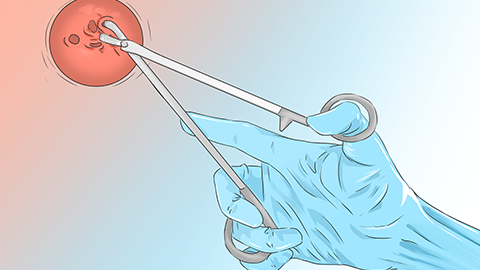
3. Pathological Type: Further classify malignant lesions—such as squamous cell carcinoma and adenocarcinoma in lung cancer. Different types require distinct treatment strategies and have varying prognoses, necessitating precise identification.
4. Extent of Infiltration: Examine whether the lesion has invaded surrounding normal tissues and assess the depth of infiltration. This helps determine the stage of disease progression and guides decisions on surgical resection margins or radiotherapy and chemotherapy regimens.
5. Degree of Differentiation: Evaluate how closely tumor cells resemble normal cells. The level of differentiation correlates with tumor aggressiveness and risk of metastasis, providing important information for prognosis assessment.
After the procedure, keep the biopsy or incision site clean and dry, avoid strenuous activities that may strain the wound, follow medical instructions for pressure application to control bleeding, monitor for any signs of bleeding or fluid discharge, and maintain a light, easily digestible diet to promote wound healing.