


What should I do if a child's hand is burned and blisters form?
Nov 24, 2025
Source: Cainiu Health

Dr. Liu Wenmin
Introduction
If a child's hand is scalded and blisters form, immediately rinse with cool running water, avoid puncturing the blisters, clean and disinfect the wound, properly bandage and protect it, and closely monitor and care for the injury. Appropriate management can reduce tissue damage and the risk of scarring. If the scald covers a large area, blisters are numerous, or the injury is located near a joint, prompt medical attention is recommended. Immediately after the burn, place the injured hand under cool, flowing water.
When a child's hand is scalded and blisters form, immediate actions include rinsing with cool water, avoiding breaking the blisters, cleaning and disinfecting the wound, proper dressing, and close observation and care. Appropriate management can reduce tissue damage and the risk of scarring. If the scald covers a large area, blisters are numerous, or the injury is near a joint, prompt medical attention is recommended.
1. Immediate Cold Water Rinsing: Immediately after the burn, place the injured hand under gently flowing cool water for 15–30 minutes to lower skin temperature and minimize deep tissue damage. Avoid strong water pressure that could rupture blisters. If clothing is stuck to the skin, carefully cut it away with scissors.
2. Avoid Breaking Blisters: Blisters act as a natural protective barrier. Popping them yourself increases the risk of infection. If a blister is very large and interferes with movement, seek professional medical help. Never squeeze or puncture blisters with your hands.
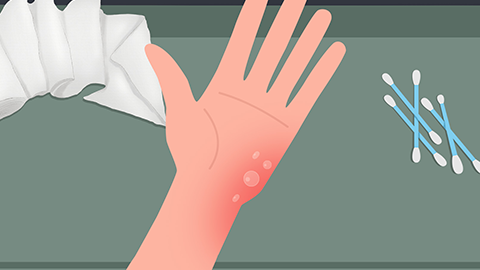
3. Clean and Disinfect the Wound: After rinsing, clean the wound with sterile saline solution, then gently wipe with a mild disinfectant. Handle the area gently to avoid friction on blisters. Gently pat dry with a clean gauze pad after disinfection.
4. Proper Dressing and Protection: Cover the wound with sterile gauze or a specialized burn dressing after disinfection. The bandage should be neither too tight nor too loose—protecting the wound while maintaining adequate hand circulation. Avoid adhesive bandages that are overly sticky.
5. Close Observation and Care: Monitor the wound daily for signs of infection such as redness, swelling, discharge, or increased warmth. Change dressings promptly if blisters break. Prevent the child from scratching the wound and limit hand movement to avoid dislodging the dressing.
Keep the burned area clean and dry, avoiding contact with dirty water or sharp objects. Increase dietary intake of protein and vitamins to support wound healing. Trim the child’s nails to prevent scratching and dress them in loose, breathable cotton clothing to minimize irritation.


