


How many days is the cephalosporin anti-inflammatory injection usually administered?

The standard course of treatment with ceftriaxone (a cephalosporin antibiotic injection) typically lasts 3–7 days, depending on the site of infection and severity of illness. For mild infections, the duration may be shortened to 3 days, while moderate to severe infections may require an extended course of 7–14 days. It is essential to complete the full prescribed course to prevent the development of drug resistance. If symptoms do not improve or allergic reactions occur during treatment, prompt medical consultation is recommended.
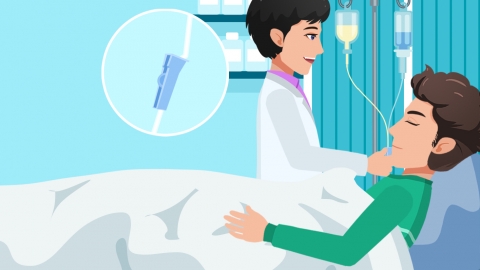
For mild infections such as respiratory tract infections or urinary tract infections, where symptoms are mild and no complications are present, a 3–5 day course of ceftriaxone is usually sufficient. Treatment can be discontinued once symptoms subside and inflammatory markers return to normal, in order to avoid unnecessary overuse of antibiotics.
In cases of moderate to severe infections—such as pneumonia, sepsis, or complicated urinary tract infections—with widespread infection and severe symptoms, the treatment course should be extended to 7–14 days to ensure complete eradication of pathogens and to prevent recurrence or the emergence of antibiotic resistance. The duration should not be shortened arbitrarily by the patient.
During treatment, patients should maintain regular作息 (daily routines), avoid fatigue, follow a light diet avoiding spicy and greasy foods, strictly abstain from alcohol to prevent disulfiram-like reactions, and adhere to scheduled injection times to maintain stable blood drug concentrations, thereby supporting effective resolution of the infection.


