


What is rhabdomyolysis?

Rhabdomyolysis is a syndrome caused by damage to skeletal muscle cells, leading to the release of intracellular substances such as myoglobin into the bloodstream. It can lead to serious complications including acute kidney injury. If symptoms such as muscle pain, weakness, or darkening of urine occur, prompt medical attention is recommended.
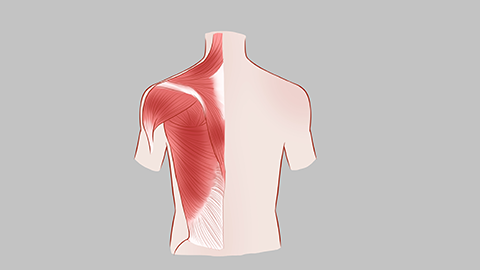
Causes include intense physical exertion, muscle crush injuries, high fever, and drug side effects. Common symptoms include muscle soreness, swelling, and weakness, accompanied by tea-colored urine, nausea, and vomiting. In severe cases, oliguria, anuria, and electrolyte imbalances may develop.
Treatment focuses on eliminating the underlying cause. Early management involves aggressive fluid replacement to promote the elimination of harmful substances, correction of electrolyte disturbances, and, when necessary, blood purification therapies. Simultaneously, targeted treatment of the primary condition is essential to prevent disease progression.
In daily life, avoid excessive strenuous exercise, stay well-hydrated after physical activity, refrain from indiscriminate use of medications, promptly treat muscle injuries, allow adequate rest during recovery, and maintain a diet rich in high-quality protein and vitamins to support muscle repair.


