


Does interstitial fluid affect wound healing?
Nov 24, 2025
Source: Cainiu Health

Dr. Liu Wenmin
Introduction
Excessive interstitial fluid can affect wound healing. If there is significant exudation of fluid from the wound, or if it is accompanied by abnormal color (such as yellow or green), or an unpleasant odor, this may indicate wound infection or an inflammatory response. Excess fluid can soak the wound, hinder cell proliferation, and even cause tissue edema, thereby delaying wound healing. Prompt treatment is necessary in such cases.
Under normal circumstances, tissue fluid can affect wound healing. An appropriate amount of tissue fluid promotes healing, while excessive or abnormal fluid may delay recovery. If in doubt, it is recommended to seek medical advice promptly. The detailed analysis is as follows:
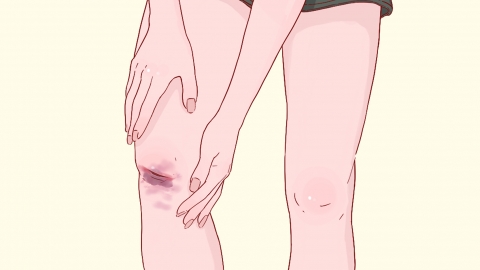
When a small amount of tissue fluid exudes from the wound, it helps moisten the wound surface, maintain a stable local microenvironment, provide nutrients for cell repair, and support the regeneration of damaged tissues. In such cases, tissue fluid plays a positive role in wound healing. Excessive cleaning is unnecessary—simply keeping the wound clean is sufficient.
If there is significant exudation of tissue fluid from the wound, especially when accompanied by abnormal color (such as yellow or green), or an unpleasant odor, this may indicate wound infection or an inflammatory response. Excessive fluid can soak the wound, hinder cell proliferation, and even cause tissue edema, thereby delaying the healing process. Prompt treatment is required in these situations.
During wound recovery, the wound should be cleaned regularly, and excess tissue fluid gently absorbed using sterile gauze. Avoid contact with water or contaminants to reduce the risk of infection. If abnormal fluid exudation persists without improvement, seek timely medical evaluation to identify the underlying cause and receive appropriate treatment.






