


How to perform first aid for gas poisoning
Nov 24, 2025
Source: Cainiu Health

Dr. Wang Lei
Introduction
For emergency first aid in cases of gas poisoning, follow these steps: immediately remove the person from the contaminated environment, maintain an open airway, call emergency services, provide oxygen support, and avoid secondary injuries to quickly halt the poisoning process. If symptoms such as confusion, difficulty breathing, or unconsciousness occur, seek immediate medical attention and inform healthcare providers of the poisoning. Quickly open doors and windows for ventilation, and wear protective
Emergency treatment for gas poisoning should follow these steps: immediately remove the person from the contaminated environment, keep the airway open, call emergency services, provide oxygen support, and avoid secondary injuries to quickly halt the progression of poisoning. If symptoms such as confusion, difficulty breathing, or unconsciousness occur, seek immediate medical attention and inform healthcare providers of the poisoning.
1. Immediately remove from the contaminated environment: Quickly open windows and doors for ventilation. After wearing protective equipment, move the patient to a safe area with fresh air and good ventilation to prevent further inhalation of toxic gases.
2. Keep the airway open: Unbutton the patient’s collar and loosen their belt, clear any foreign objects from the mouth and nose, lay the patient flat on their back, and turn their head to one side to prevent vomit from blocking the airway and causing suffocation.
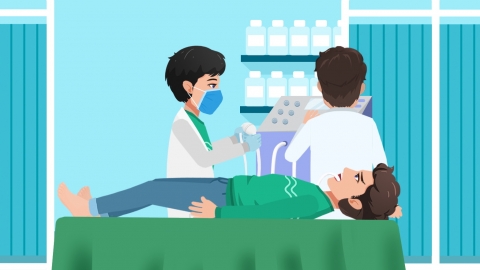
3. Call emergency services: Immediately dial 120 and clearly report the location of the poisoning, number of people affected, symptoms, and details about the gas leak. Wait for professional medical personnel to transport and treat the patient—do not attempt to drive the patient to hospital yourself.
4. Provide oxygen support: If oxygen equipment is available on site, administer oxygen promptly when the patient is breathing steadily to improve hypoxia. If the patient has stopped breathing or their heart has stopped, begin cardiopulmonary resuscitation (CPR) immediately.
5. Prevent secondary injuries: Avoid moving the patient’s limbs unnecessarily. Do not use alcohol rubs or apply heat packs. Refrain from using open flames or electrical appliances to prevent explosions or fires.
After the patient is out of danger, bed rest is recommended in a quiet, well-ventilated environment. Maintain a light and easily digestible diet, ensure adequate fluid intake, and avoid emotional stress and physical exertion to gradually restore bodily functions.





