


What are the symptoms of poisoning from eating wood ear mushrooms?
Nov 24, 2025
Source: Cainiu Health

Dr. Huang Yuhong
Introduction
Poisoning from consuming wood ear mushrooms is mostly caused by eating mushrooms that have been soaked for too long, are moldy, or undercooked. The primary cause is toxins produced by Pseudomonas cocovenenans. Symptoms progress gradually from mild to severe and mainly include gastrointestinal discomfort, neurological abnormalities, signs of liver and kidney damage, systemic reactions, and a tendency to bleed. To prevent wood ear mushroom poisoning, do not soak the mushrooms for more than 2 hours.
Eating contaminated wood ear mushrooms typically results from consuming wood ear that has been soaked for too long, moldy, or undercooked. The primary cause is toxins produced by *Pseudomonas cocovenenans*. Symptoms progress gradually from mild to life-threatening and mainly include gastrointestinal discomfort, neurological abnormalities, signs of liver and kidney damage, systemic reactions, and bleeding tendencies. A detailed breakdown is as follows:
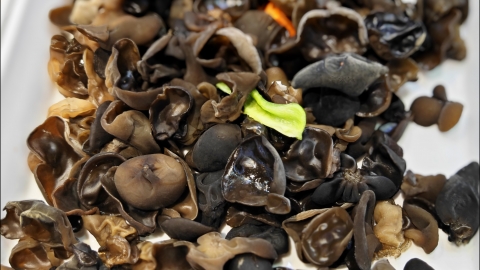
1. Gastrointestinal discomfort: This is the earliest and most typical symptom, appearing within a few hours to one day after consumption. It manifests as nausea and frequent vomiting of stomach contents, accompanied by severe abdominal pain—often paroxysmal cramping—and watery diarrhea occurring frequently. This can easily lead to dehydration, presenting as dry mouth and reduced urine output.
2. Neurological abnormalities: These occur when the toxin invades the central nervous system. Early symptoms include dizziness and headache, often characterized by persistent fullness-type pain, along with fatigue and lethargy. As the condition worsens, blurred vision and limb numbness may develop. In severe cases, confusion, restlessness, seizures, and even coma can occur.
3. Signs of liver and kidney damage: The toxin causes significant harm to the liver and kidneys. Initially, darkened urine—appearing tea-colored or soy-sauce-like—may indicate kidney injury. Later stages involve yellowing of the skin and whites of the eyes (jaundice), dull pain in the liver area, abdominal distension, and abnormal liver function tests.
4. Systemic reactions: Resulting from metabolic disturbances caused by poisoning, these include low-grade or moderate fever (body temperature between 37.5°C and 38.5°C), generalized body aches, fatigue, decreased skin elasticity, pallor, and, in some individuals, cold extremities and decreased blood pressure—signs suggestive of pre-shock conditions.
5. Bleeding tendency: In severe poisoning, coagulation function is impaired, leading to gum bleeding and skin bruising (ecchymoses) that do not fade upon pressure. Some individuals may experience nosebleeds, while severe cases can develop gastrointestinal bleeding, manifested as black tarry stools (melena) or vomiting blood (hematemesis)—key indicators of critical illness.
To prevent wood ear mushroom poisoning, observe the following precautions: soak wood ear for no more than 2 hours, consume promptly after soaking at room temperature, discard any spoiled mushrooms without exception, and ensure thorough cooking before eating.


