


Can eating mulberries cause poisoning and dizziness?

Generally, whether dizziness occurs after poisoning from eating mulberries depends on the severity of the poisoning. The specific analysis is as follows:
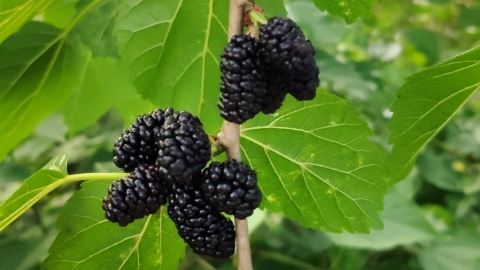
In mild cases of mulberry poisoning, dizziness may not occur. If only a small amount of mulberries has been consumed or if the mulberries are only slightly spoiled, the body may exhibit only mild gastrointestinal symptoms such as slight nausea and bloating, without significant systemic discomfort. In such cases, dizziness typically does not appear. Symptoms usually resolve spontaneously after stopping consumption and drinking more water to promote metabolism.
In severe mulberry poisoning, dizziness is highly likely to occur. Consuming large amounts of spoiled mulberries introduces harmful substances that irritate the gastrointestinal tract, causing severe vomiting and diarrhea. This can lead to dehydration, electrolyte imbalance, or toxin spread affecting the nervous system, resulting in dizziness. Other symptoms such as weakness and blurred vision may also appear, requiring immediate medical intervention.
During recovery, choose light and easily digestible foods such as porridge or soft noodles to reduce gastrointestinal burden. Drink plenty of warm water to replenish fluids and prevent dehydration. Ensure adequate rest, avoid strenuous activities, and monitor your physical condition. If dizziness worsens or new symptoms develop, seek medical attention promptly.


